Dec . 04, 2025 08:55 Back To List
Understanding Screw and Jack Systems in Modern Construction
Screw and Jack: Essential Tools Powering Construction Worldwide
At first glance, “screw and jack” might sound straightforward — after all, they're just simple mechanical devices, right? But digging deeper, these humble tools form the backbone of countless construction and industrial projects around the globe. From leveling heavy formwork to supporting temporary structures in disaster zones, their role is surprisingly impactful and far-reaching.
Understanding screw and jack systems isn’t just a technical detail for engineers; it’s crucial for anyone involved in building safer, more efficient, and sustainable infrastructure. Especially as construction demands evolve worldwide, embracing these technologies unlocks benefits like cost efficiency, adaptability, and enhanced safety. Let's take a closer look...
Global Context: Why Screw and Jack Matter in Today’s Industry
According to the International Organization for Standardization (ISO), standardization in construction tools supports global markets and safe practices. The demand for rapid, reliable, and adjustable support systems has skyrocketed — not least because of the United Nations' focus on sustainable urban development. Globally, billions are spent annually on construction, with temporary support solutions like screw and jack devices playing a vital role in forms, scaffolding, and modular installations.
But there’s a real challenge: incorrect leveling or unstable supports can lead to serious accidents or project delays. The precision and robustness screw and jack systems bring help address these risks directly.
Defining Screw and Jack: What Are They?
Simply put, a screw and jack system is a mechanical assembly used to lift, level, or support heavy structures temporarily or permanently. The “screw” is a threaded rod or shaft that allows fine adjustment through rotation, while the “jack” is the device that bears and transfers loads, often with mechanisms to lock positions securely.
In modern construction, they’re indispensable for adjusting the height of formwork (the molds for casting concrete), scaffolding, or any situation requiring precise elevation changes. They also appear in humanitarian scenarios — for instance, setting up emergency shelters or temporary bridges where adaptability is essential.
Key Components of Screw and Jack Systems
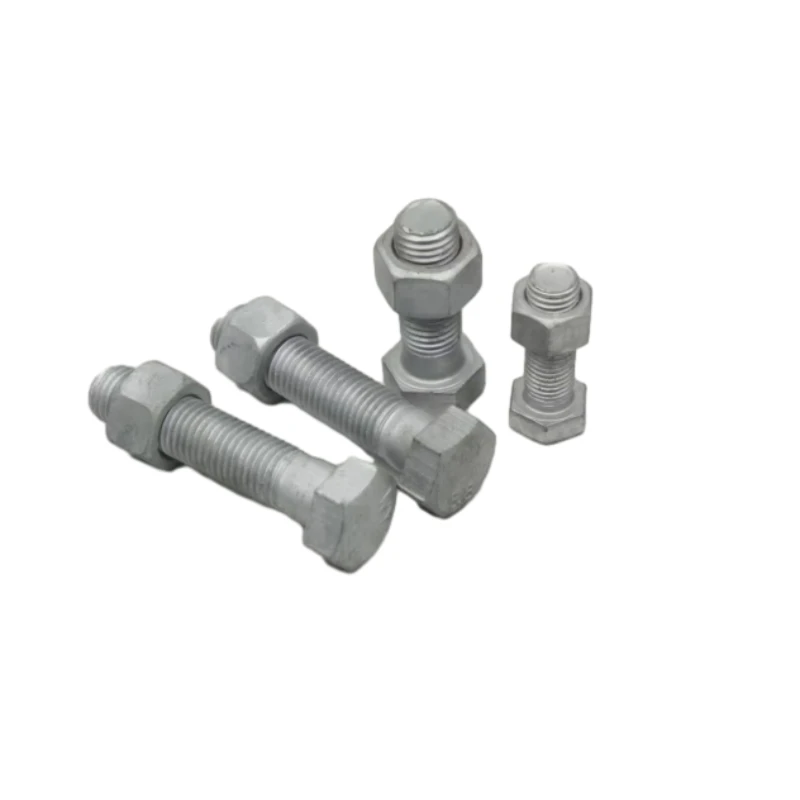
- Durability: Most screws and jacks are forged from high-grade steel, often galvanized or treated to resist corrosion, ensuring long-term service, especially outdoors.
- Load Capacity: Depending on design, some jacks can support several tons safely — crucial for the heavy concrete forms and infrastructure elements.
- Adjustability: The fine thread pitch allows for millimeter-level precision when leveling, providing flexibility on uneven terrains or variable project demands.
- Ease of Use: Ergonomic designs and compatible accessories streamline installation and adjustments, reducing labor time and fatigue.
- Compatibility: They fit a range of formwork systems; many vendors offer modular parts tailored to industry standards.
Takeaway: the blend of strength, precision, and user-friendly design make screw and jack tools a cornerstone in dynamic construction contexts.
Product Specifications of Typical Screw and Jack Units
| Feature | Specification |
|---|---|
| Material | High-grade steel, galvanized |
| Load Capacity | 2 to 20+ tons (varies by model) |
| Thread Pitch | 5 mm to 8 mm |
| Height Adjustment Range | 150 mm to 600 mm |
| Finish | Galvanized or painted coating |
Global Use Cases: Diverse Applications of Screw and Jack Systems
Broadly speaking, you’ll find screw and jack solutions deployed in:
- Construction Sites: Essential for concrete formwork, enabling quick setup and precise leveling, whether for skyscrapers in Dubai or housing projects in Brazil.
- Disaster Relief Efforts: Organizations like the Red Cross and UN Habitat often rely on screw and jack adjustable supports to erect temporary shelters and infrastructure swiftly in post-disaster zones.
- Industrial Maintenance: Factories and refineries use jacks to access heavy machinery components or stabilize equipment during repairs.
- Remote Infrastructure Projects: In challenging terrains like the Australian Outback or Siberian tundra, their reliability under tough conditions is vital.
- Modular Housing and Prefabrication: As modular construction grows, screw and jack systems facilitate rapid assembly and flexibility in unit placement.
In real terms, the adaptability of these systems helps save time on jobsites, and their reliability minimizes costly delays or accidents.
Vendor Comparison: Selecting the Right Screw and Jack System
| Vendor | Load Capacity | Adjustability | Material Treatment | Price Range |
|---|---|---|---|---|
| WRK Formwork | Up to 20 tons | Fine pitch, 5 mm increments | Galvanized steel | $$$ |
| BuildPro Solutions | 15 tons max | 8 mm pitch | Paint-coated steel | $$ |
| SafeJack Tools | 10 tons | 5 mm pitch | Galvanized with rust inhibitor | $$$ |
Advantages and Long-Term Value
Why do so many choose screw and jack over other leveling options? The answer is partly economic but also deeply practical.
- Cost Effective: Their durability and reusability lower long-term costs.
- Safety and Reliability: Fine adjustment means structures remain stable, minimizing accidents.
- Sustainability: High-quality materials and repairability reduce waste.
- User Confidence: Workers feel safer using a trusted, adjustable system — that emotional assurance counts.
The peace of mind from using reliable screw and jack systems is not just tangible but often overlooked. It supports smooth project delivery and trust from clients and workers alike.
Emerging Trends in Screw and Jack Technologies
Looking ahead, the sector is evolving in several exciting ways:
- Smart Sensors: Integration of load or tilt sensors to monitor support stability in real-time.
- Eco-Friendly Materials: Moving towards recycled steel or protective coatings with less environmental impact.
- Automation & Robotics: Automated jacking systems that reduce manual labor and improve precision.
- Global Standardization: Efforts by ISO and other bodies aim to harmonize specifications, easing international deployment.
Challenges and Practical Solutions
Of course, no tool is without challenges:
- Corrosion Risks: Constant exposure to weather can cause rusting — mitigated by quality galvanization.
- Worker Training: Misuse or overloading can be disastrous — ongoing education and clear manuals help.
- Compatibility Issues: A jack that doesn’t fit existing formwork creates delays — choosing modular, widely compatible systems is key.
Industry experts recommend not just purchasing hardware but investing in supplier partnerships offering training and support. That next-level thinking saves headaches and money.
FAQ: Common Questions About Screw and Jack Systems
- How does a screw and jack differ from a hydraulic jack?
- While screw and jack systems rely on mechanical thread adjustment for lifting and support, hydraulic jacks use fluid pressure. Screw and jacks are often preferable for fine height adjustment and long-term load-bearing in construction due to their simplicity and reliability.
- Can screw and jack systems be reused across multiple projects?
- Yes, with proper maintenance. Their robust construction and corrosion-resistant coatings make them ideal for repeated use, reducing replacement costs and environmental impact.
- What safety precautions are necessary when using screw and jack systems?
- Ensure load limits are respected, regularly inspect for damage or corrosion, and receive proper training. Using compatible formwork and locking mechanisms helps maintain stability under load.
- Are screw and jack systems compatible with automated construction processes?
- Increasingly, yes. Newer models are incorporating smart tech and can integrate into digital workflows for automated height adjustment, especially in modular housing production.
Conclusion: Why Screw and Jack Systems Remain Indispensable
When reflecting on construction’s countless moving parts, screw and jack solutions might seem modest — yet their impact is profound. They combine simplicity with undeniable strength and precision, underpinning safer projects worldwide.
For anyone interested in optimizing formwork or lifting systems, a solid grasp of this technology pays dividends. And if you’re curious for more, I highly recommend checking out WRK Formwork’s site for detailed products and expert advice.
In an industry where every millimeter matters, screw and jack systems truly level the playing field.
References:
Latest News
-
Concrete Form Tie - Cangzhou World Cup Trading Co., Ltd. | Durable Construction Solutions&Secure FasteningNewsFeb.27,2026
-
Concrete Form Tie - Cangzhou World Cup Trading Co., Ltd. | Durable Construction Solutions&Secure FasteningNewsFeb.27,2026
-
Concrete Form Tie - Cangzhou World Cup Trading Co., Ltd. | Durable Construction Solutions&Secure FasteningNewsFeb.27,2026
-
Comprehensive Guide to PVC Profile Window Selection and BenefitsNewsFeb.27,2026
-
Comprehensive Guide to PVC Profile Applications Manufacturing and Future TrendsNewsFeb.26,2026
-
Comprehensive Guide to PVC Molding Profiles for International Trade and ManufacturingNewsFeb.25,2026