Mar . 24, 2026 02:25 Back To List
Comprehensive Guide to Corner Beads for Drywall Finishing and Protection
Understanding Corner Beads: A Comprehensive Guide
Corner beads are essential components in construction and drywall finishing, providing a clean, durable edge for corners and protecting them from damage. They're crucial for achieving professional-looking results in both residential and commercial projects. Choosing the right corner bead depends on factors like the type of drywall being used, the application (inside or outside corner), and the desired level of protection. At WRK Formwork, we offer a wide range of high-quality corner beads to meet all your project needs. Understanding their different types and applications is the key to a successful finish.
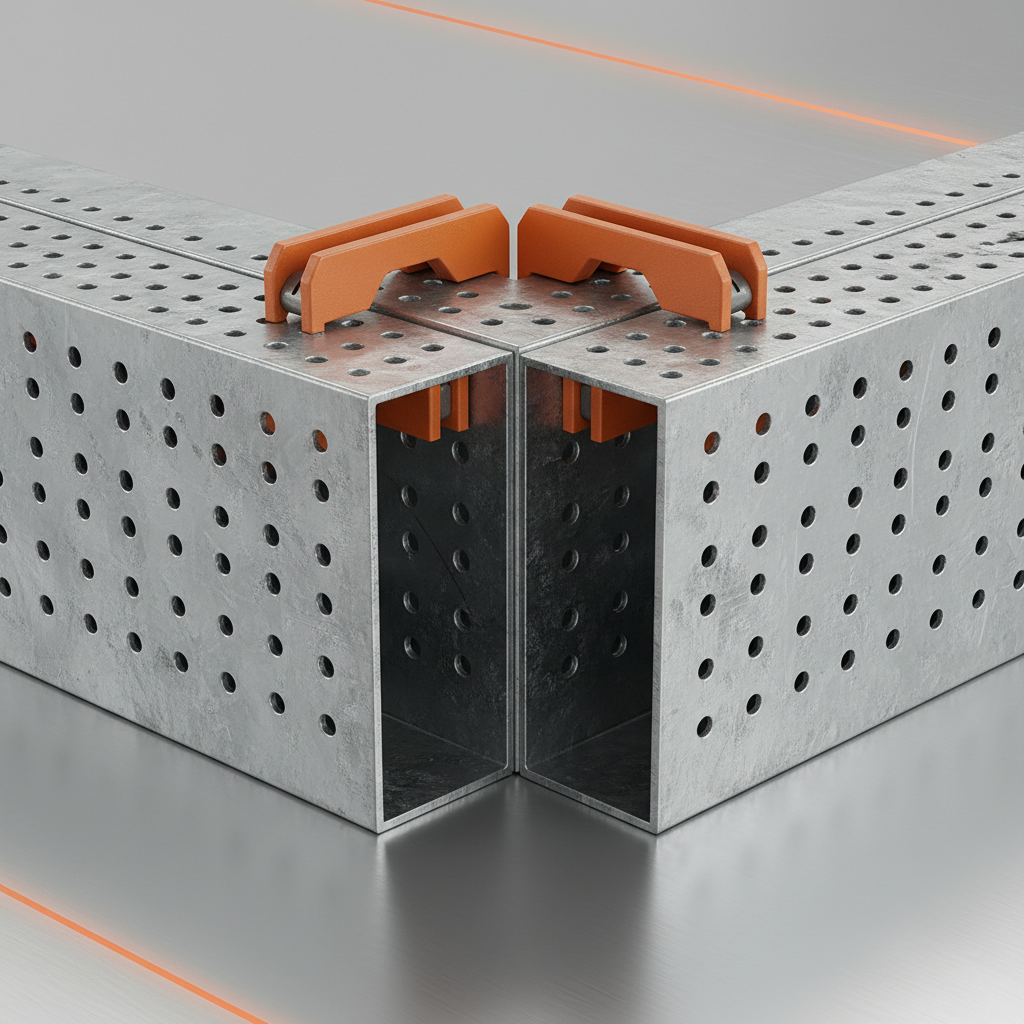
What are Corner Beads and Why are They Important?
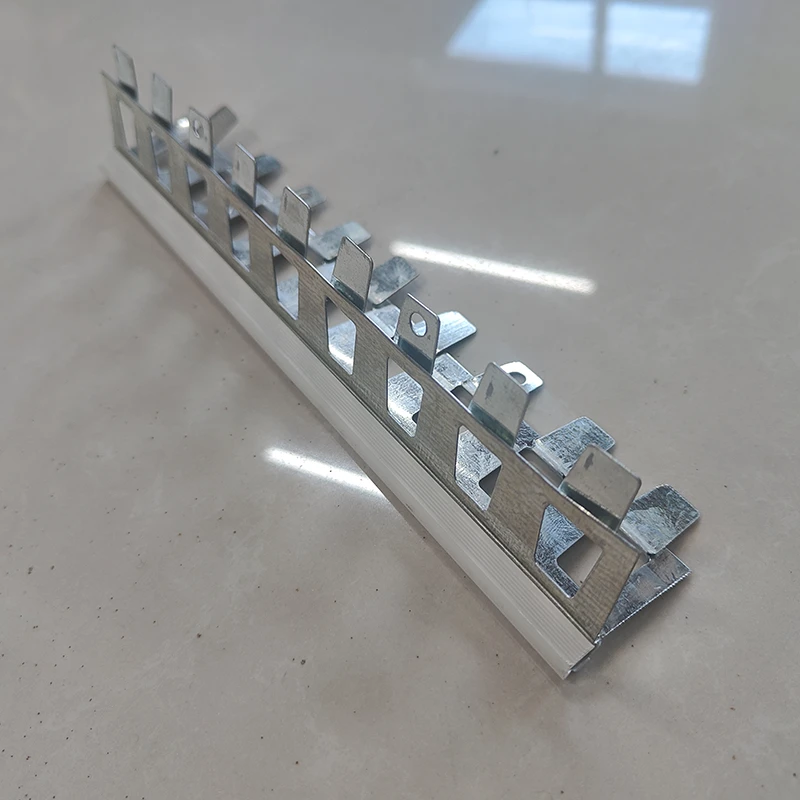
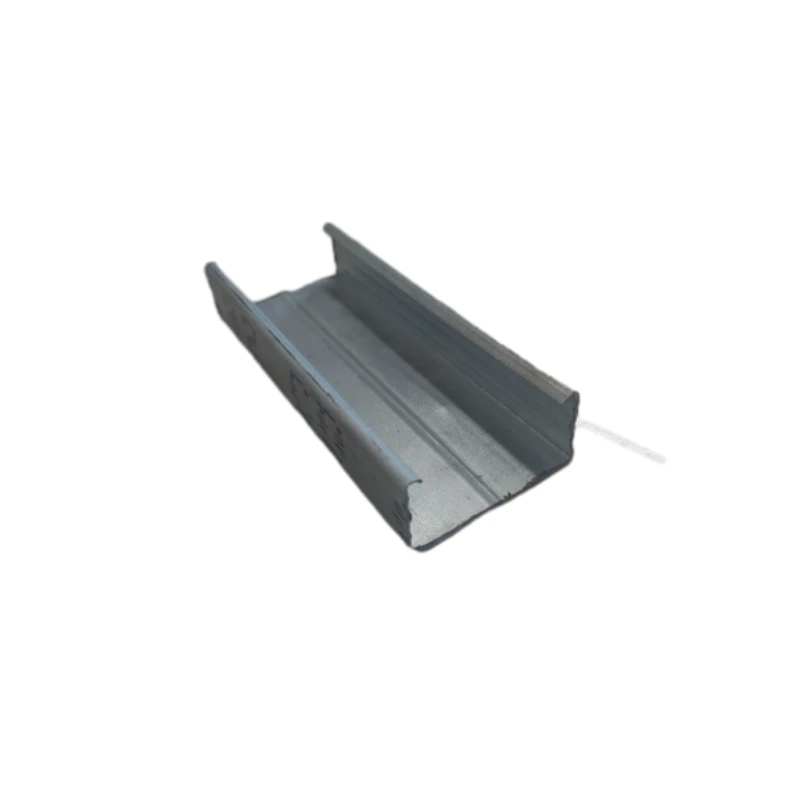
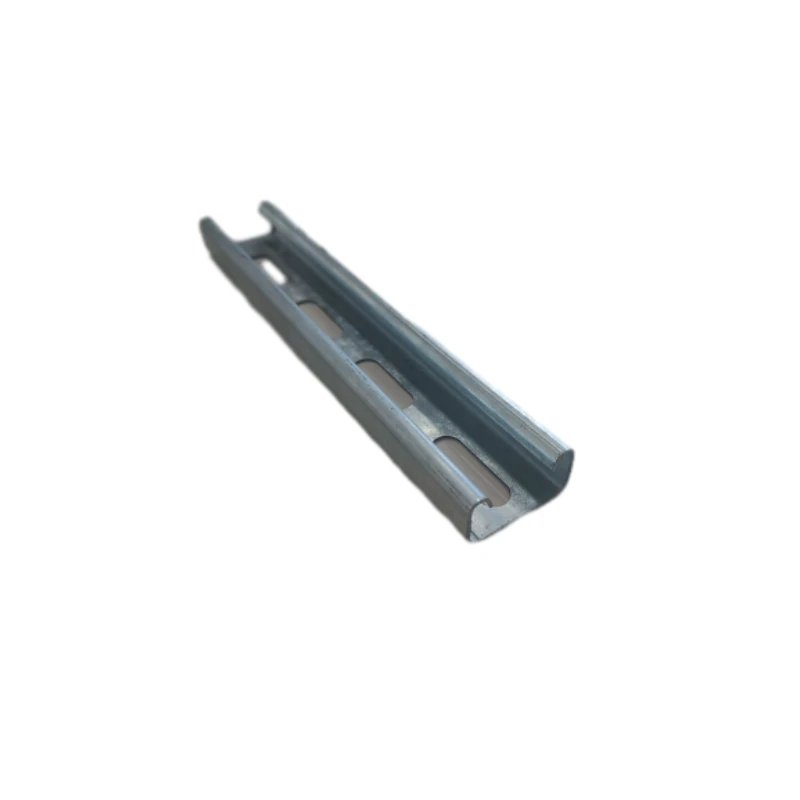
Corner beads are metal or plastic strips applied to the outside corners of drywall to provide a straight, durable edge. They protect the corner from impacts and wear, preventing chipping and cracking. Without corner beads, drywall corners are highly susceptible to damage, even from minor contact. They also create a smooth surface for applying joint compound (mud), ensuring a professional and aesthetically pleasing finish. Using corner beads streamlines the drywall finishing process, saving time and reducing the need for frequent repairs.
Key Benefits: Protects corners from damage, provides a straight edge for finishing, simplifies the drywall process, and enhances the appearance of finished walls.
Types of Corner Beads: Metal vs. Paper-Faced
Corner beads primarily come in two main materials: metal and paper-faced. Metal corner beads, typically made of galvanized steel, are known for their exceptional durability and resistance to impact. They're ideal for high-traffic areas and commercial applications. Paper-faced corner beads, on the other hand, consist of a metal core covered in paper. This paper allows for easier joint compound adhesion, reducing the need for excessive mudding. They are easier to work with and are commonly used in residential settings. Each type has its own advantages, and the best choice depends on the specific project requirements.
Metal vs. Paper-Faced Corner Beads:
• Metal: Highly durable, impact-resistant, best for commercial use.
• Paper-Faced: Easier to work with, better joint compound adhesion, ideal for residential projects.
Choosing the Right Corner Beads for Your Project
Selecting the appropriate corner bead involves considering several factors. First, determine whether you need inside or outside corner beads. Outside corner beads are used on exposed corners, while inside corner beads are used where two walls meet. Next, consider the level of impact resistance required. For high-traffic areas, metal corner beads are a better choice. The length of the corner bead should also be appropriate for the height of the wall. Finally, ensure the corner bead is compatible with the type of drywall you're using. WRK Formwork's extensive selection offers solutions for every project.
Installation Tips for Corner Beads
Proper installation is key to achieving a professional finish. Apply a generous layer of joint compound to the corner before embedding the corner bead. Ensure the bead is straight and firmly pressed into the mud. Use a hawk and trowel for smooth application. After the mud dries, apply additional coats, feathering the edges to blend seamlessly with the surrounding drywall. Sanding between coats is essential for creating a smooth, even surface. Finally, prime and paint the wall for a polished look.
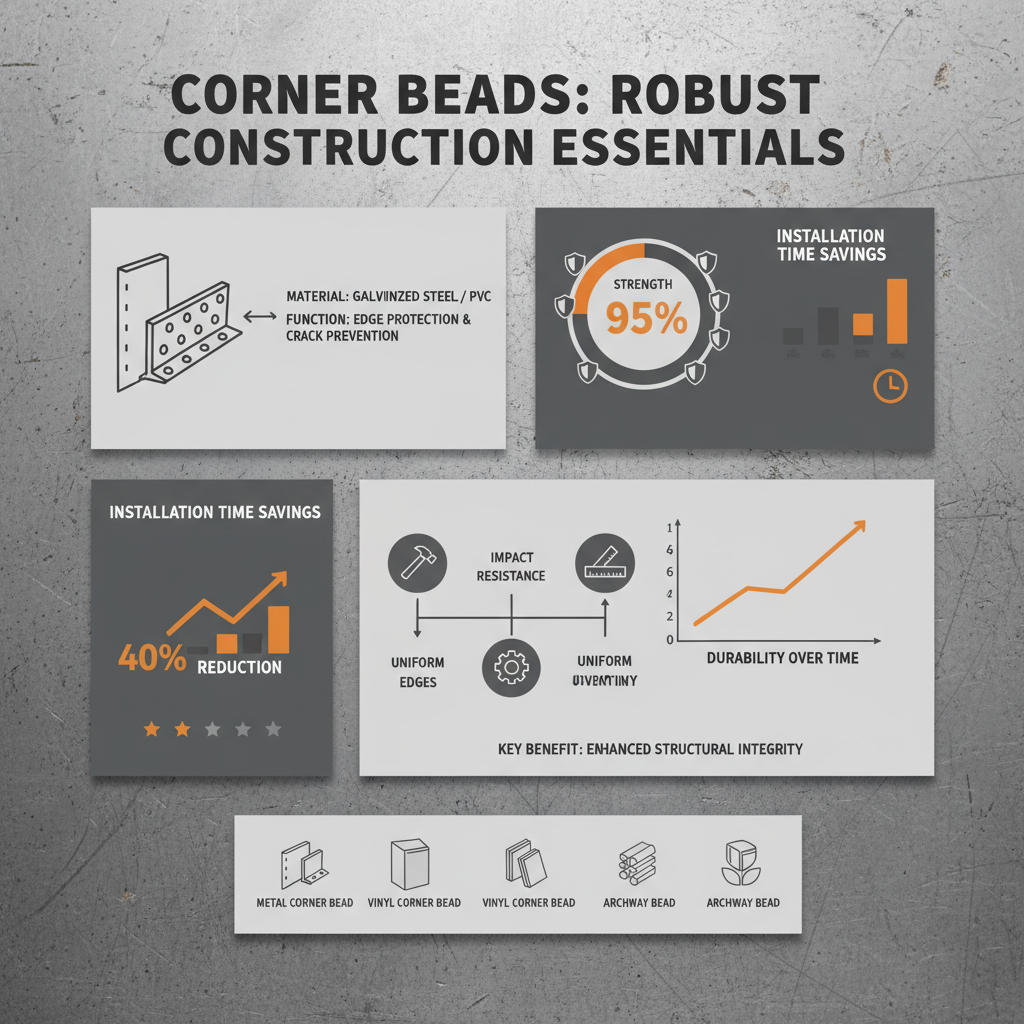
Product Specifications: WRK Formwork Corner Beads
At WRK Formwork, we offer a comprehensive range of corner beads to meet diverse project needs. Here are some of our key specifications:
Conclusion: Achieving Professional Results with Quality Corner Beads
Investing in high-quality corner beads from WRK Formwork ensures a durable, professional finish for your drywall projects. By understanding the different types and proper installation techniques, you can achieve superior results and avoid costly repairs. Choose WRK Formwork for reliable performance and exceptional quality.
Frequently Asked Questions (FAQs)
What's the difference between mud-on and paper-faced corner beads?
Mud-on corner beads, typically made of metal, require a base coat of joint compound to adhere to the drywall. Paper-faced corner beads, on the other hand, have a pre-applied paper facing that allows the joint compound to bond directly, reducing the need for a base coat and simplifying the application process. Paper-faced beads are generally easier and faster to install, making them popular for residential projects. Mud-on beads are often preferred for heavier duty applications due to their increased durability.
How do I prevent corner beads from bubbling or cracking?
Bubbling or cracking can occur due to improper installation or using low-quality joint compound. Ensure the corner bead is firmly embedded in a generous layer of mud and that all edges are properly feathered. Use a high-quality, flexible joint compound and apply multiple thin coats instead of one thick coat. Allow each coat to dry completely before sanding and applying the next. Additionally, avoid applying joint compound in extremely hot or humid conditions, as this can affect its drying process.
Can corner beads be used on curved walls?
While standard corner beads are designed for straight corners, flexible corner beads are available for use on curved walls. These beads are more pliable and can be bent to conform to the curve of the wall. It's essential to use the correct type of bead to ensure a smooth, professional finish. Contact WRK Formwork to discuss your specific curved wall needs.
What tools are needed to install corner beads?
Essential tools for installing corner beads include a hawk, a 6-inch or 10-inch taping knife, a corner trowel, a utility knife, a measuring tape, a sanding sponge or sanding block, and a dust mask. Safety glasses are also recommended to protect your eyes. Having the right tools will make the installation process smoother and more efficient.
Latest News
-
High Quality Drywall Corner Metal Strip for Perfect Wall EdgesNewsApr.16,2026
-
Corner Metal for Drywall Guide for Perfect Professional EdgesNewsApr.09,2026
-
Comprehensive Guide to Corner Metal Drywall Installation and Material ChoicesNewsApr.07,2026
-
Comprehensive Guide to Corner Metal Bead for Durable Construction ProjectsNewsApr.04,2026
-
Comprehensive Guide to Corner Drywall Metal Installation and SelectionNewsMar.31,2026
-
Understanding Corner Bit Metal Applications and Sourcing for Robust StructuresNewsMar.28,2026