Nov . 29, 2025 21:15 Back To List
Shuttering Tie Rods – Essential Formwork Components for Safe and Efficient Concrete Construction
Understanding Shuttering Tie Rods: The Backbone of Concrete Formwork
If you’ve ever wandered around a busy construction site or peeked into the world of civil engineering, you might have noticed slender steel rods holding everything in place, almost invisibly. These are shuttering tie rods, and they’re more than just simple pieces of metal—they’re the unsung heroes that keep concrete formwork steady during one of the most critical stages of building: pouring concrete. Globally, the demand for robust and reliable construction solutions grows. As urban areas expand and infrastructure projects multiply, understanding the value and function of shuttering tie rods becomes genuinely important.
Why? Because even a slight failure in formwork can lead to costly delays, compromised safety, and structural issues down the line. In a nutshell, mastering the art and science behind shuttering tie rods means safer builds, less waste, and a smoother workflow—no small feat in today’s fast-paced construction world.
The Global Context: Why Shuttering Tie Rods Matter
Concrete is arguably the backbone of modern infrastructure—roads, bridges, dams, and skyscrapers rely on it heavily. According to the World Bank, infrastructure investment worldwide is expected to reach $94 trillion by 2040. A big chunk of that relies on proper formwork systems, where shuttering tie rods play a critical role.
Even the ISO standards recognize formwork and reinforcement as essential components in ensuring concrete quality and durability. But challenges exist: formwork failure can stem from insufficient tensile strength or corrosion of tie rods, often exacerbated in harsh environments.
In humanitarian engineering projects, such as post-disaster reconstruction, the rapid deployment of reliable formwork with strong shuttering tie rods can literally save lives by accelerating construction without sacrificing safety.
What Exactly is a Shuttering Tie Rod?
In simple terms, a shuttering tie rod is a steel rod used to hold together the two opposite sides of a concrete formwork. When concrete is poured, hydrostatic pressure pushes outward against the formwork. Tie rods resist this internal pressure, preventing the formwork from moving or bulging.
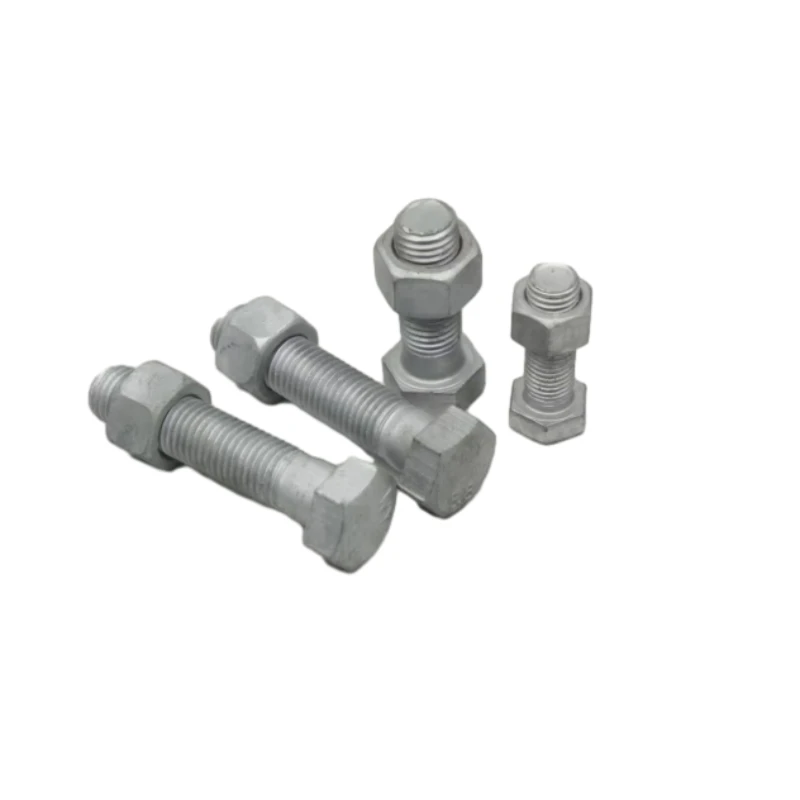
Without these rods, the freshly poured concrete would push the panels apart, ruining the structure’s shape, or worse, causing collapse. The rods are usually threaded to accommodate nuts and washers on both ends, which clamp the formwork tightly.
Oddly enough, this simple piece of equipment is deeply tied—pun intended—to not just construction but also scalable modern industry methods and humanitarian rebuilding. The stability afforded by shuttering tie rods allows engineers and workers to build faster, safer, and with more confidence.
Core Features of Shuttering Tie Rods
1. Durability and Strength
These rods need to be incredibly strong and resistant to high tensile loads. Plain mild steel or high-tensile steel versions exist depending on the project requirements. Corrosion resistance coatings like galvanization ensure longevity, especially on sites with high humidity or exposure.
2. Scalability and Adaptability
Available in multiple lengths and diameters, shuttering tie rods can be customized for everything from small residential buildings to massive dam projects. This scalability makes them indispensable in diverse contexts.
3. Cost Efficiency
Using durable and reusable tie rods lowers formwork costs over the long run. They often complement shuttering tie rod accessories like standard nuts, washers, and cones, which simplify setup and remove the need for custom components.
4. Ease of Installation
Threaded ends allow quick tightening and detachment, reducing labor time on site. Many engineers say a solid tie rod system can shave days off project timelines.
Mini Takeaway:
In essence, shuttering tie rods are all about strength, versatility, and saving both time and money without compromising safety. It feels like the backbone holding the whole concrete pouring process steady.
Real-World Applications Around the Globe
From the mega skyscrapers in Dubai to infrastructure rebuilding in Southeast Asia, shuttering tie rods find themselves everywhere. Here are a few notable use cases:
- High-rise Buildings: In places like New York or Shanghai, formwork must withstand massive dynamic loads, making robust tie rods essential.
- Bridge and Dam Construction: Long-lasting concrete forms require high-tensile tie rods that can resist extreme pressures.
- Disaster Relief Housing: NGOs implement rapid-build shelters where formwork systems with easy-to-use shuttering tie rods accelerate construction speed, bringing shelter faster to those who need it most.
- Remote Industrial Zones: Mining or oil extraction projects in remote areas depend on sturdy formwork that maintains stability even with limited access to replacement parts.
Mini Takeaway:
Effectively, shuttering tie rods help bring structure and stability not just to buildings, but to communities and economies worldwide.
Advantages Beyond Strength: Why Choose Quality Shuttering Tie Rods?
Tangibly, high-quality shuttering tie rods deliver:
- Cost Savings: Reusable rods reduce recurring purchase expenses.
- Sustainability: Galvanized or epoxy-coated rods resist corrosion, extending usability and cutting waste.
- Safety Enhancement: Reduced failure risk means safer construction zones.
- Social Impact: Faster project completion brings quicker community benefits.
On a more emotional or human level, knowing that your building rests on safe foundation materials — including reliable shuttering tie rods — builds trust and confidence among engineers, workers, and future occupants alike. In the end, innovation in formwork isn’t just about technology; it’s about dignity, safety, and progress.
Product Specifications: A Typical High-Strength Shuttering Tie Rod
| Specification | Value |
|---|---|
| Material | High tensile steel, galvanized coating |
| Diameter | 16 mm to 25 mm (customizable) |
| Length | 1.0 m to 4.0 m (standard) |
| Tensile Strength | >600 MPa |
| Thread Type | Metric threaded ends (M16, M20) |
| Corrosion Resistance | Hot-dip galvanization / epoxy coating options |
Comparing Vendors: Selecting the Right Shuttering Tie Rod Supplier
| Vendor | Product Range | Lead Time | Warranty | Price Level |
|---|---|---|---|---|
| Global Steel Supplies | Mild & High-Tensile Rods | 2-3 weeks | 1 year | Mid-range |
| EcoFormwork Ltd | Galvanized & Epoxy-coated | 1 week | 2 years | High |
| ConstructPro Solutions | Standard rods with modular kits | 3-4 weeks | 6 months | Budget |
Emerging Trends in Shuttering Tie Rod Technology
The construction field is never standing still, and neither are the components it uses. For shuttering tie rods, innovations focus on better material science and smarter design:
- Composite Materials: Researchers are experimenting with fiber-reinforced polymers to create tie rods that are lighter yet durable, reducing worker fatigue.
- Smart Coatings: New corrosion-resistant layers that self-heal minor damage are emerging, promising longer service life.
- Digital Integration: Sensors embedded within tie rods to monitor tension in real-time—helping avoid failures before they happen.
- Sustainability Push: Regulations are steering manufacturers toward eco-friendly steel sources and recyclable coatings.
Challenges in the Field and How to Tackle Them
While shuttering tie rods sound perfect on paper, they’re not without headaches. Common issues engineers face include:
- Corrosion in Harsh Environments: Saltwater exposure or tropical climates accelerate rust.
- Supply Chain Delays: Lead times can hold back entirely scheduled projects.
- Improper Usage: Mistakes in selection or installation can lead to catastrophic failures.
Experts recommend routine inspection protocols, investing in higher-grade coatings, and streamlining procurement channels. Training for on-site teams to handle tie rods properly is also key—because tools are only as good as the hands that use them.
FAQ: Your Questions About Shuttering Tie Rods Answered
- Q: What sizes of shuttering tie rods are commonly used?
- A: While sizes vary, rods with diameters ranging from 16mm to 25mm are standard for most projects. Length depends on formwork width but commonly spans 1m to 4m.
- Q: How do shuttering tie rods prevent formwork failure?
- They counteract the lateral pressure from fresh concrete by clamping the formwork together, ensuring the panels don’t bulge or collapse during pouring.
- Q: Can shuttering tie rods be reused?
- Definitely. With proper cleaning and maintenance, galvanized or coated tie rods can be reused multiple times, making them cost-effective.
- Q: Are there eco-friendly options available?
- Yes. Many manufacturers now offer rods made from recycled steel and coated with environmentally friendly materials, aligning with green building standards.
- Q: How do I choose the right tie rod for my project?
- Consider factors like load requirements, formwork size, environmental exposure, and budget. Consulting with your supplier and engineers early is wise.
Wrapping Up: Why Shuttering Tie Rods Should Be on Your Radar
In real terms, shuttering tie rods might seem modest compared to the dizzying heights of skyscrapers or the sheer scale of dams. But look closer—they’re the hidden keystones that make those projects possible. Stronger, more durable, and smarter tie rods equal safer builds, reduced waste, and faster completion times.
So if you’re working in construction or simply curious about the nuts and bolts (or rods!) behind modern engineering, remember that knowing your shuttering tie rod options can make a world of difference.
Ready to find quality shuttering tie rods that fit your next project? Visit our website for a full catalog and expert advice.
References
Latest News
-
Adjustable U Jack: Essential Guide to Specifications, Applications & VendorsNewsDec.03,2025
-
Adjustable U Head Jack: Essential Guide to Benefits, Specs & Global UseNewsDec.03,2025
-
What Is an Adjustable U Head? Benefits, Uses & Supplier Comparison in ConstructionNewsDec.03,2025
-
Steel Joint Connector Nut: Essential Fastening Solutions for Modern InfrastructureNewsDec.02,2025
-
Nut Connector: Key Roles, Applications & Innovations in Modern IndustryNewsDec.02,2025
-
Nut Adaptor: A Key Component Bridging Industry Standards and Enhancing Assembly EfficiencyNewsDec.02,2025