Mar . 26, 2026 02:15 Back To List
Comprehensive Guide to Corner Beads for Drywall Installation and Selection
Corner Beads for Drywall: A Comprehensive Guide
When tackling a drywall project, achieving crisp, clean corners is essential for a professional finish. Corner beads for drywall are the secret to protecting these vulnerable areas and creating durable, aesthetically pleasing results. This article dives deep into the world of corner beads, covering types, materials, installation, and benefits. Whether you’re a seasoned contractor or a DIY enthusiast, we’ll equip you with the knowledge to select and use the right corner beads for your next project. Proper corner bead application safeguards against damage and ensures your drywall lasts for years to come.
Understanding the Different Types of Corner Beads
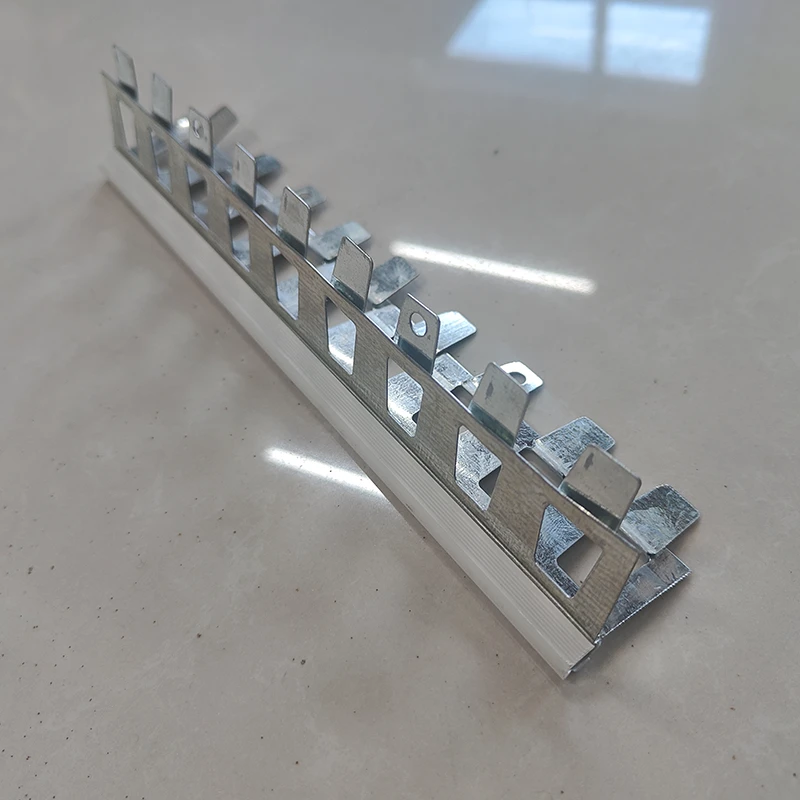
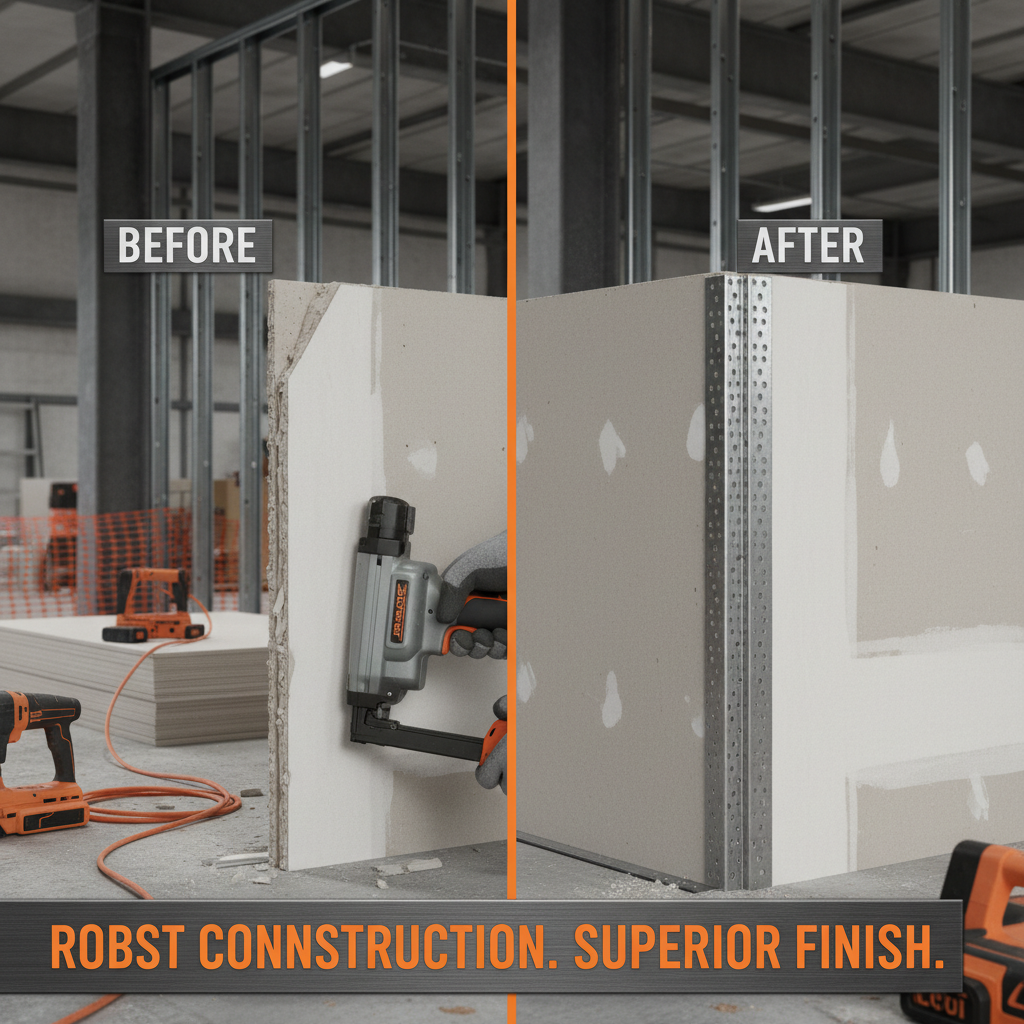
Corner beads aren’t one-size-fits-all. They come in various types, each suited to specific applications. Paper-faced corner beads are the most common and affordable, ideal for standard drywall projects. Metal corner beads, typically made of galvanized steel, offer superior durability and impact resistance – perfect for high-traffic areas. Vinyl corner beads provide flexibility and are resistant to dents and corrosion. Finally, mud-on corner beads require a thicker coat of drywall compound and are often used for arched or irregular surfaces. Selecting the right type directly impacts the final quality and longevity of your drywall corners. Choosing the best type for your project, is a step toward achieving professional-looking results.
Key Takeaway: The ideal corner bead depends on the project requirements, budget, and desired level of durability. Consider the level of traffic and potential impact the corners will face.
Material Matters: Comparing Corner Bead Materials
The material of your corner bead significantly impacts its performance and lifespan. Galvanized steel provides the highest level of protection against damage, but can be prone to rust if not properly sealed. Stainless steel offers superior corrosion resistance, making it ideal for humid environments. Aluminum is lightweight and resistant to corrosion, but is softer than steel. Vinyl is flexible and rust-proof, but offers less impact resistance. Choosing a material that aligns with your project’s environment and traffic levels is crucial for lasting results. WRK Formwork provides high-quality corner beads in various materials to meet diverse needs.
Material Comparison:
• Steel: High durability, potential for rust.
• Stainless Steel: Excellent corrosion resistance, premium price.
• Aluminum: Lightweight, corrosion resistant, less impact resistant.
• Vinyl: Flexible, rust-proof, lower impact resistance.
Installing Corner Beads for Drywall: A Step-by-Step Guide
Proper installation is just as important as choosing the right corner bead. First, measure and cut the corner bead slightly longer than the corner. Apply drywall compound to the corner, then firmly press the corner bead into the compound. Use a utility knife to trim any excess bead. Apply additional coats of compound, feathering the edges to create a smooth transition. Sand the compound once dry for a professional finish. Secure adhesion and a smooth finish are key to long-lasting, attractive corners. WRK Formwork offers resources and tips for successful corner bead installation.
The Benefits of Using Corner Beads
Using corner beads offers numerous benefits beyond just aesthetics. They protect corners from impact damage, preventing chipping and cracking. They create a straight, clean edge for a professional finish. They minimize the amount of sanding required, saving time and effort. And, when installed correctly, they add structural integrity to the drywall. Investing in quality corner beads and proper installation ensures a durable and beautiful result that will last for years. Explore WRK Formwork's selection to find the perfect corner beads for your project.
Corner Beads: Product Specifications and Available Sizes
At WRK Formwork, we offer corner beads in a range of sizes and materials to suit your project needs. Here's a typical overview:
Conclusion: Achieving Professional Drywall Corners
Investing in the right corner beads for drywall from a trusted supplier like WRK Formwork is crucial for any drywall project. Understanding the different types, materials, and installation techniques will ensure a durable, professional-looking finish. Don’t compromise on quality - choose corner beads that meet your project’s specific needs and will stand the test of time.
Frequently Asked Questions (FAQs)
What's the difference between paper-faced and metal corner beads?
Paper-faced corner beads are more affordable and easier to cut and install, making them suitable for most standard drywall projects. However, they offer less impact resistance. Metal corner beads, typically made of galvanized steel, are much more durable and ideal for high-traffic areas or corners prone to damage. They can be more difficult to cut and require more careful installation. Metal beads provide superior protection and longevity but come at a higher cost and with increased installation effort.
Can corner beads be used on curved walls?
Yes, flexible vinyl corner beads are specifically designed for curved or irregular surfaces. They can be bent to conform to the shape of the wall, providing a seamless and professional finish. Mud-on corner beads can also be used, but require a thicker application of drywall compound and more skilled craftsmanship to achieve a smooth curve. Standard paper-faced or metal corner beads are not suitable for curved walls as they cannot be bent without damage.
How do I prevent rust on galvanized steel corner beads?
To prevent rust on galvanized steel corner beads, it's crucial to properly seal them with a primer and paint specifically designed for metal surfaces. Ensure the entire surface of the bead is coated, including any exposed edges. In humid environments, consider using stainless steel corner beads, which are naturally corrosion-resistant. Proper sealing and material selection are key to preventing rust and extending the lifespan of your corner beads.
What is the best way to sand corner beads after applying drywall compound?
Use a sanding sponge or sanding block with 120-grit sandpaper to gently sand the drywall compound around the corner bead. Avoid applying excessive pressure, as this can damage the bead or create uneven surfaces. Feather the edges of the compound to blend it smoothly with the surrounding drywall. After sanding, vacuum up any dust and wipe the surface clean before priming and painting. A smooth, even sanding is essential for a professional finish.
Latest News
-
Corner Metal for Drywall Guide for Perfect Professional EdgesNewsApr.09,2026
-
Comprehensive Guide to Corner Metal Drywall Installation and Material ChoicesNewsApr.07,2026
-
Comprehensive Guide to Corner Metal Bead for Durable Construction ProjectsNewsApr.04,2026
-
Comprehensive Guide to Corner Drywall Metal Installation and SelectionNewsMar.31,2026
-
Understanding Corner Bit Metal Applications and Sourcing for Robust StructuresNewsMar.28,2026