Apr . 04, 2026 02:25 Back To List
Comprehensive Guide to Corner Metal Bead for Durable Construction Projects
Understanding Corner Metal Bead for Enhanced Construction
In the world of construction and plastering, achieving clean, durable corners is paramount. Corner metal bead plays a crucial role in protecting and finishing external corners, providing a professional and long-lasting result. This article explores the benefits, types, installation, and key considerations when selecting corner metal bead, offering valuable insights for builders, plasterers, and DIY enthusiasts. Investing in quality corner bead ensures a superior finish and enhances the overall structural integrity of your projects.
What is Corner Metal Bead and Why Use It?
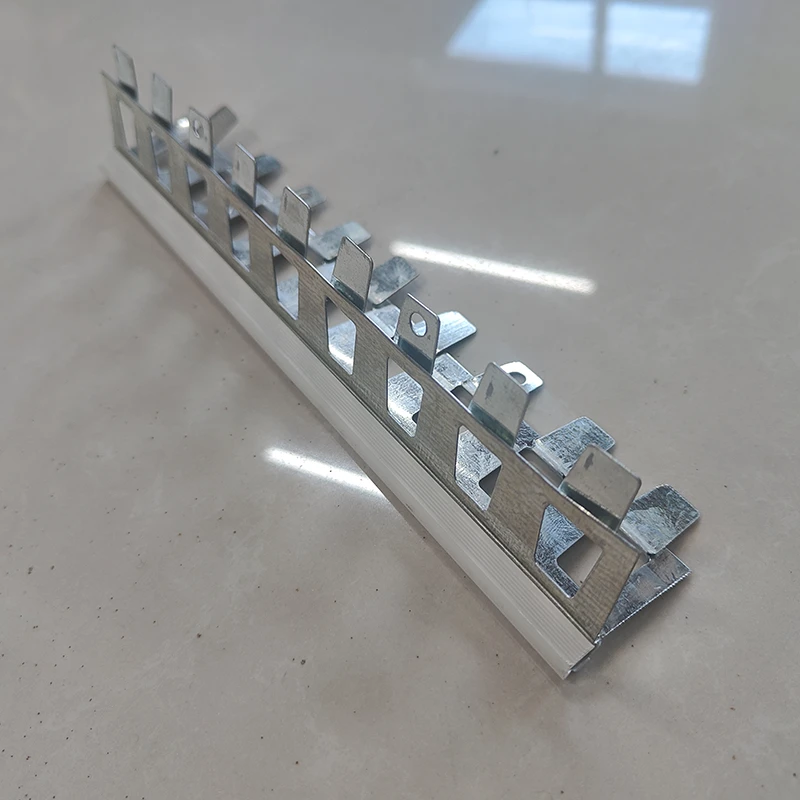
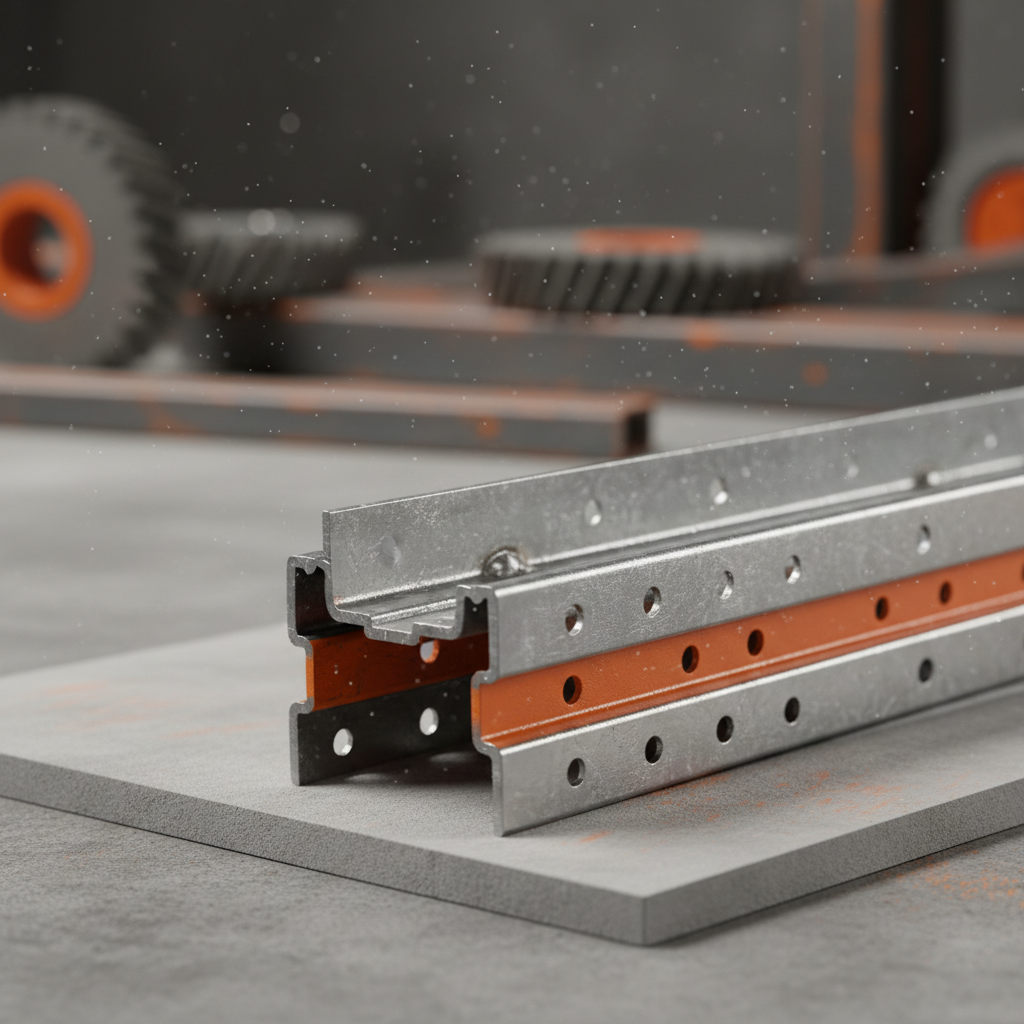
Corner metal bead, also known as angle bead, is a metal strip—typically made of galvanized steel, stainless steel, or aluminum—with a 90-degree angle. It's embedded in plaster, stucco, or other finishing materials to provide a straight, durable edge for external corners. Using corner metal bead prevents chipping, cracking, and general wear and tear on these vulnerable areas. It also provides a consistent depth for a clean, professional finish. Without corner bead, corners are susceptible to damage from impact and abrasion, leading to costly repairs and an unsightly appearance.
Key Benefits: Provides a straight, durable edge, prevents chipping and cracking, creates a professional finish, and enhances structural integrity.
Types of Corner Metal Bead
Several types of corner metal bead are available, each suited for different applications and materials. The most common include:
- Galvanized Steel Bead: The most economical option, suitable for interior use where moisture isn’t a significant concern.
- Stainless Steel Bead: Offers superior corrosion resistance, ideal for exterior applications and high-humidity environments.
- Aluminum Bead: Lightweight and rust-proof, making it a good choice for exterior applications, particularly near saltwater.
- Paper-Faced Bead: Features a paper backing that allows for easier embedding in plaster.
- Mesh-Backed Bead: Uses a mesh backing for better adhesion and reduced cracking.
Choosing the Right Corner Metal Bead for Your Project
Selecting the appropriate corner metal bead depends on several factors, including the application (interior vs. exterior), the finishing material (plaster, stucco, etc.), and the environmental conditions. For exterior projects exposed to the elements, stainless steel or aluminum bead is recommended to prevent rust and corrosion. For interior projects in dry environments, galvanized steel bead is often sufficient. Paper-faced or mesh-backed bead can simplify installation, especially for larger areas. Consider the size of the corner – beads are available in various widths to accommodate different plaster thicknesses and aesthetic preferences. You can find the perfect corner metal bead for your project at WRK Formwork.
Key Considerations:
• Application (Interior/Exterior)
• Material Compatibility (Plaster, Stucco)
• Environmental Conditions (Humidity, Saltwater)
Corner Metal Bead: A Comparative Analysis
Here’s a comparison of the most common types of corner metal bead:
Installation Best Practices
Proper installation is crucial for the effectiveness of corner metal bead. Begin by ensuring the surface is clean and free of debris. Apply a base coat of plaster or stucco to the corner and immediately embed the bead, ensuring it’s straight and firmly pressed into the base coat. Use a hawk and trowel to apply additional coats, feathering the edges for a smooth transition. Avoid damaging the bead during application. Allow each coat to dry completely before applying the next. For paper-faced bead, ensure the paper is fully covered with plaster to prevent bubbling or peeling.
Conclusion: Investing in Quality for Lasting Results
Choosing the right corner metal bead and installing it correctly is an investment in the durability and aesthetic appeal of your construction projects. By considering the factors outlined in this guide and sourcing high-quality products, you can ensure a professional, long-lasting finish that stands the test of time. Don’t compromise on quality – choose WRK Formwork for all your corner bead needs.
Frequently Asked Questions (FAQs)
What is the best way to cut corner metal bead?
Use a pair of metal snips or aviation snips to cut corner metal bead cleanly. Avoid using a saw, as it can create burrs and jagged edges. Measure carefully and make precise cuts to ensure a snug fit. File down any sharp edges with a metal file for safety. Always wear gloves and eye protection when cutting metal.
Can corner bead be used with different types of plaster?
Yes, corner bead is compatible with various types of plaster, including traditional gypsum plaster, one-coat plasters, and cement-based renders. However, it’s important to choose a bead that is suitable for the specific plaster type. For example, paper-faced bead works well with gypsum plasters, while stainless steel bead is best for cement renders due to its superior corrosion resistance.
How do I prevent corner bead from rusting?
To prevent rusting, especially with galvanized steel bead, ensure it’s completely covered with plaster or stucco. Avoid exposing it to direct moisture. For exterior applications, stainless steel or aluminum bead is the best choice, as these materials are naturally rust-resistant. Applying a rust-inhibiting primer before plastering can also provide an extra layer of protection.
Latest News
-
High Quality Drywall Corner Metal Strip for Perfect Wall EdgesNewsApr.16,2026
-
Corner Metal for Drywall Guide for Perfect Professional EdgesNewsApr.09,2026
-
Comprehensive Guide to Corner Metal Drywall Installation and Material ChoicesNewsApr.07,2026
-
Comprehensive Guide to Corner Drywall Metal Installation and SelectionNewsMar.31,2026
-
Understanding Corner Bit Metal Applications and Sourcing for Robust StructuresNewsMar.28,2026