Mar . 31, 2026 02:15 Back To List
Comprehensive Guide to Corner Drywall Metal Installation and Selection
Understanding Corner Drywall Metal: A Comprehensive Guide
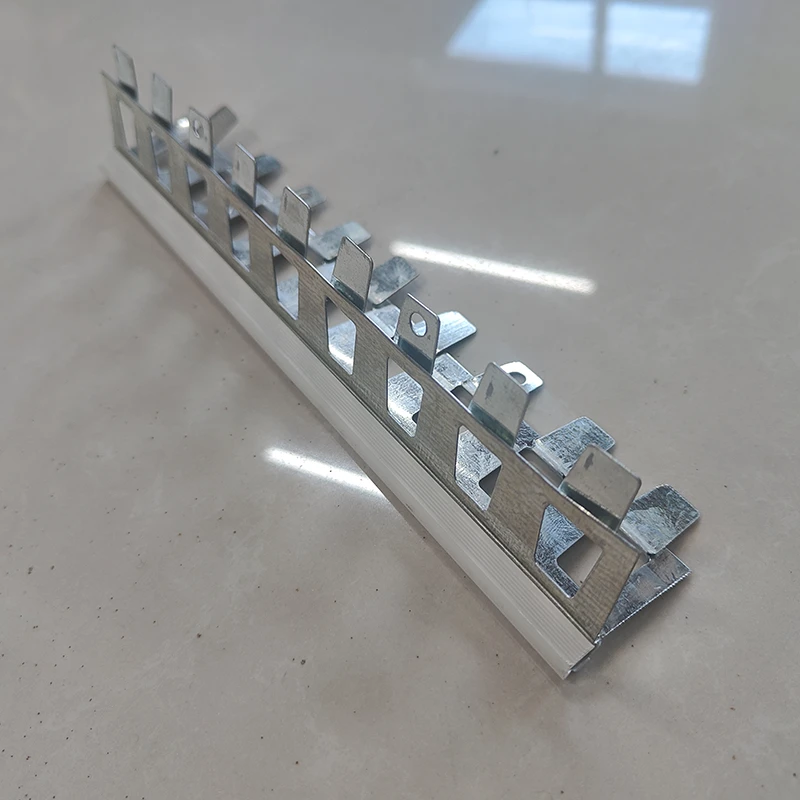
Corner drywall metal, also known as drywall corner bead, is a crucial component in achieving professional-looking and durable drywall finishes. It protects the vulnerable outside corners of drywall from damage and provides a straight edge for taping and finishing. This article will delve into the types, benefits, installation, and selection considerations for corner drywall metal, helping you make informed decisions for your construction or renovation project. Properly installed corner bead dramatically improves the longevity and appearance of drywall.
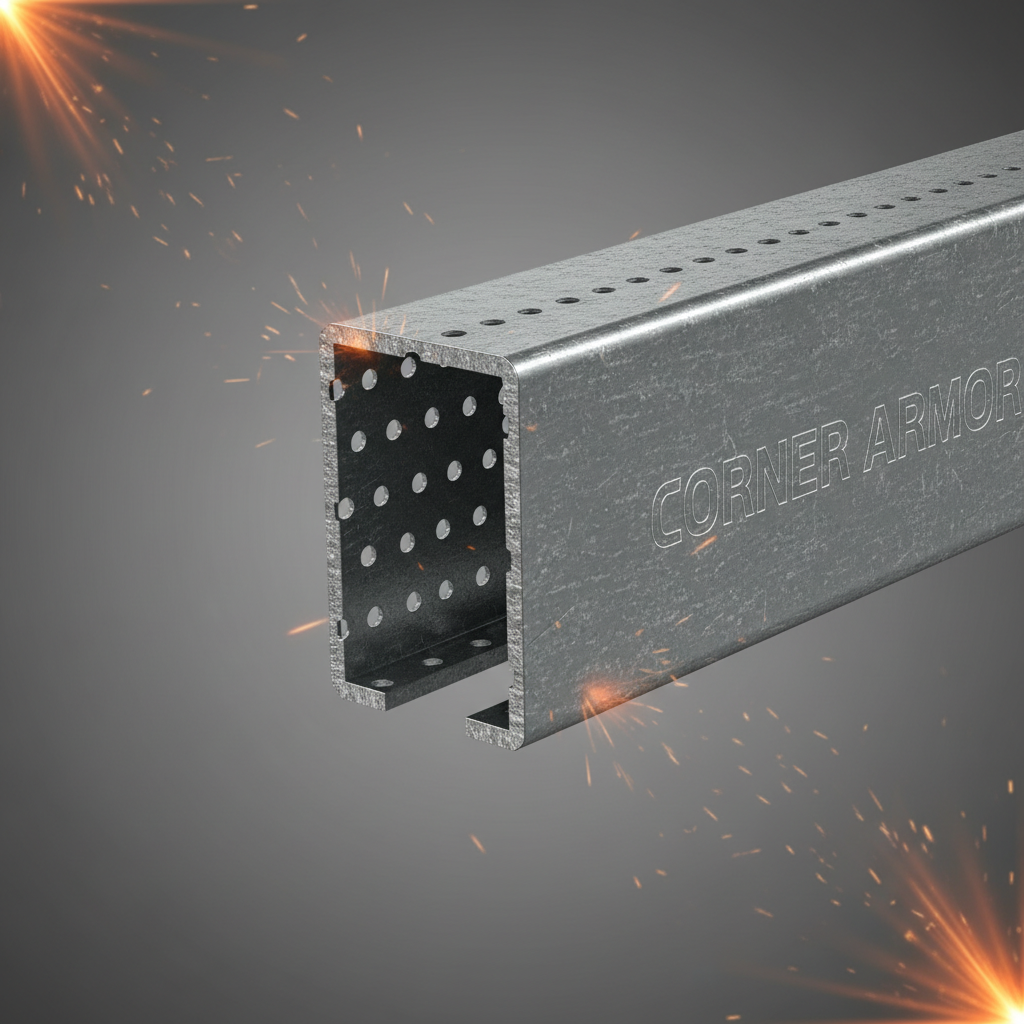
Types of Corner Drywall Metal
Corner drywall metal comes in several varieties, each with its own advantages and ideal applications. The most common types include:
- Paper-Faced Metal Corner Bead: Features a paper facing that simplifies taping and finishing, reducing the need for a base coat.
- Metal Corner Bead: Provides robust protection and is suitable for high-traffic areas.
- Mud-On Bead: Designed to be embedded in joint compound, creating a smooth and seamless finish.
- Expanding Metal Corner Bead: Ideal for exterior corners where expansion and contraction due to temperature changes are a concern.
Benefits of Using Corner Drywall Metal
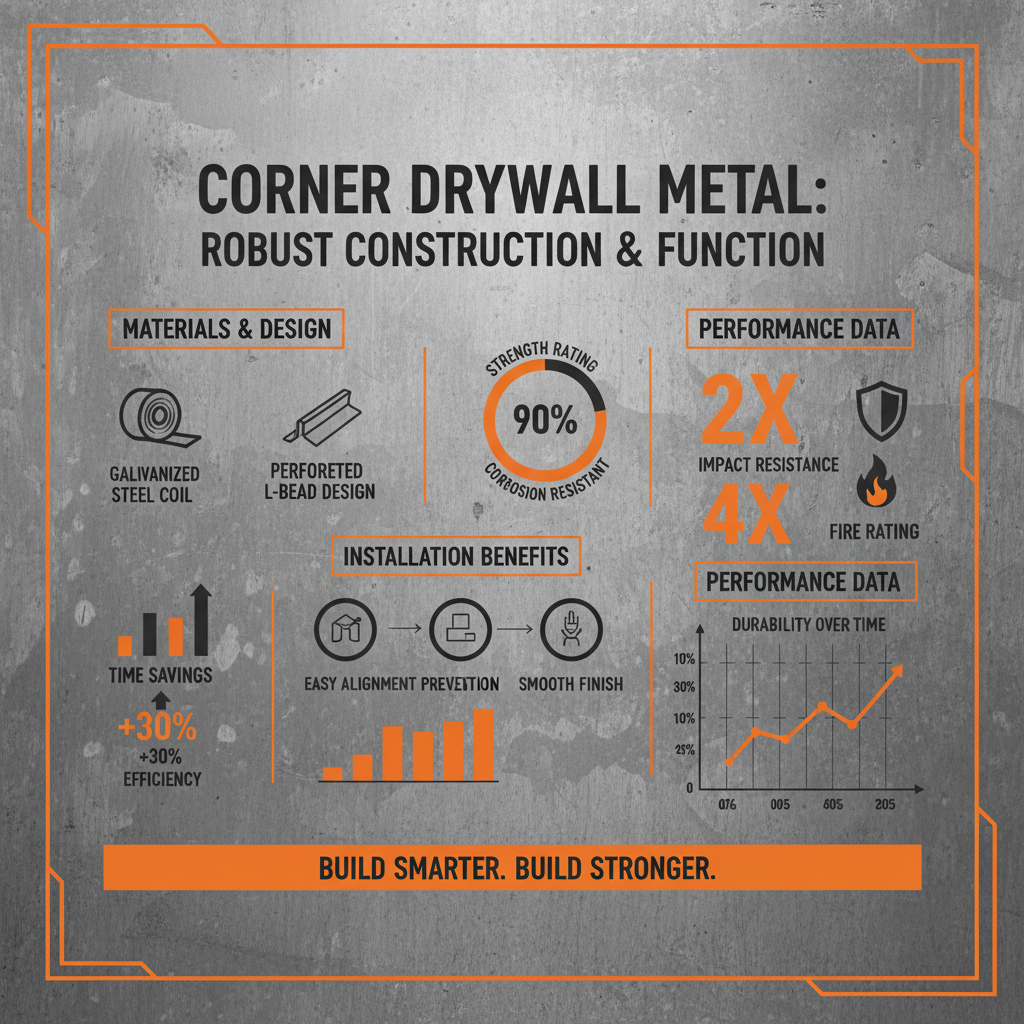
Using corner drywall metal offers numerous benefits. First and foremost, it provides crucial protection to drywall corners, preventing chipping, cracking, and damage from impacts. It also creates a crisp, clean edge for a professional finish. Furthermore, it simplifies the finishing process, especially with paper-faced options. The use of high-quality corner bead contributes to a longer-lasting and more aesthetically pleasing drywall installation.
Key Highlights: Protects corners from damage, creates clean edges, simplifies finishing, and improves durability.
Installation of Corner Drywall Metal
Proper installation is critical for optimal performance. The general process involves attaching the corner bead to the drywall using drywall nails or screws. It's essential to keep the bead straight and flush with the drywall surface. For paper-faced bead, the paper facing should be fully embedded in the joint compound. Following manufacturer's instructions and using appropriate fasteners are crucial for a secure and long-lasting installation. For expanding metal bead, ensure it’s properly positioned to accommodate movement.
Installation Tips:
• Use appropriate fasteners (nails or screws).
• Ensure corner bead is straight and flush.
• Follow manufacturer's instructions carefully.
• For paper-faced bead, fully embed the paper in joint compound.
Corner Drywall Metal: A Comparison of Types
Choosing the right type of corner bead depends on the specific application. Here's a comparison table to help you decide:
Selecting the Right Corner Drywall Metal
Consider the environment and the level of traffic when selecting corner drywall metal. For interior walls in low-traffic areas, paper-faced bead is a good option. For high-traffic areas or exterior corners, metal or expanding metal bead is more suitable. Always ensure the chosen bead meets relevant building codes and standards. WRK Formwork provides a wide range of corner drywall metal to meet diverse project needs.
Conclusion: Ensuring a Professional Drywall Finish
Corner drywall metal is an essential component of any drywall project. Choosing the right type and installing it correctly will ensure a durable, professional-looking finish. From protecting corners to simplifying the finishing process, the benefits are undeniable. Partnering with a reliable supplier like WRK Formwork ensures you receive high-quality products and expert support.
Frequently Asked Questions (FAQs)
What is the best way to cut corner drywall metal?
Corner drywall metal can be cut using metal snips or a utility knife with a sharp blade. For metal corner bead, metal snips are recommended for a clean, precise cut. For paper-faced bead, a utility knife can be used, but multiple passes may be necessary. Always wear gloves and eye protection when cutting metal. Ensure the cut is square and free of burrs.
Can corner bead be installed over existing drywall?
Yes, corner bead can be installed over existing drywall, but it's crucial to ensure the existing drywall is securely attached to the studs. Any loose or damaged drywall should be repaired before installing the corner bead. You may need to use longer fasteners to secure the bead through the existing drywall and into the studs.
What is the purpose of mudding over corner bead?
Mudding, or applying joint compound, over corner bead serves several purposes. It embeds the corner bead securely, creating a smooth, seamless transition between the drywall and the corner bead. It also helps to conceal the metal edge and provides a surface for sanding and painting. Proper mudding ensures a professional-looking and durable finish. It's important to apply multiple thin coats of joint compound, allowing each coat to dry before applying the next.
How do I prevent corner bead from lifting?
To prevent corner bead from lifting, ensure it is securely fastened to the drywall and studs using appropriate fasteners. Use enough fasteners, spaced closely together, to provide adequate support. If using paper-faced bead, ensure the paper facing is fully embedded in the joint compound. Avoid applying excessive pressure when sanding, as this can loosen the bead. Choosing high-quality corner bead from a reputable supplier like WRK Formwork also contributes to better adhesion and prevents lifting.
Latest News
-
High Quality Drywall Corner Metal Strip for Perfect Wall EdgesNewsApr.16,2026
-
Corner Metal for Drywall Guide for Perfect Professional EdgesNewsApr.09,2026
-
Comprehensive Guide to Corner Metal Drywall Installation and Material ChoicesNewsApr.07,2026
-
Comprehensive Guide to Corner Metal Bead for Durable Construction ProjectsNewsApr.04,2026
-
Understanding Corner Bit Metal Applications and Sourcing for Robust StructuresNewsMar.28,2026