Jan . 30, 2026 14:45 Back To List
Comprehensive Guide to PVC Water Stopper Size and Effective Leak Prevention
Understanding PVC Water Stopper Size for Effective Leak Prevention
In the realm of concrete construction and waterproofing, the PVC water stopper plays a crucial role in preventing water ingress through joints. Selecting the correct PVC water stopper size is paramount to ensure its effectiveness. This article provides a comprehensive guide to understanding the different sizes, applications, and factors to consider when choosing a PVC water stopper for your project. Properly sized and installed water stoppers are essential for long-term structural integrity and preventing costly water damage. WRK Formwork specializes in high-quality formwork accessories, including a diverse range of PVC water stoppers.
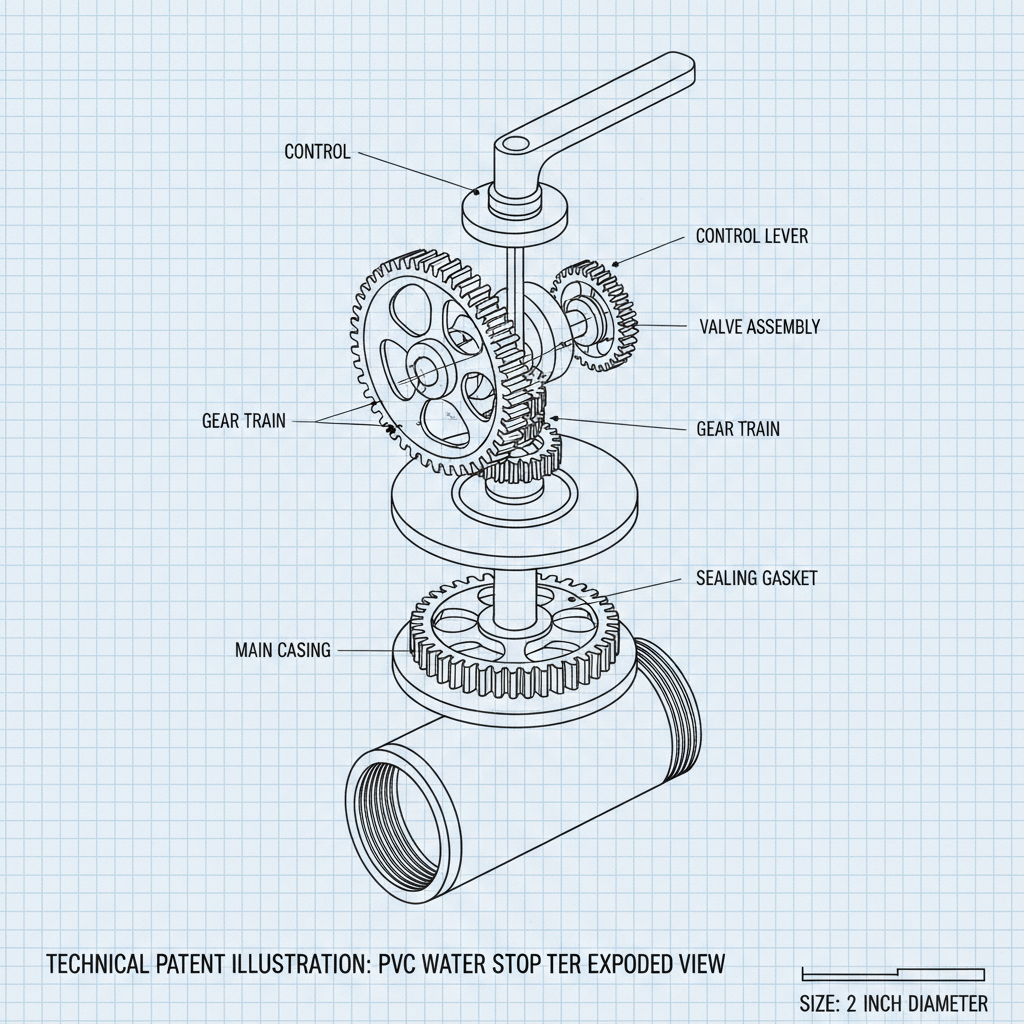
Why Correct PVC Water Stopper Size Matters
A correctly sized PVC water stopper ensures a watertight seal within concrete joints. If the stopper is too small, it won’t adequately fill the joint, leading to leaks. Conversely, an oversized stopper can cause difficulties during installation and may not conform properly to the joint’s shape. Selecting the right size accounts for joint width, potential movement, and the specific application – be it for basements, tunnels, dams, or water treatment plants. The stopper's ability to compress and expand with concrete movement is also a key consideration.
Key Takeaway: Accurate sizing directly correlates to the longevity and effectiveness of your waterproofing solution.
Common PVC Water Stopper Sizes and Applications
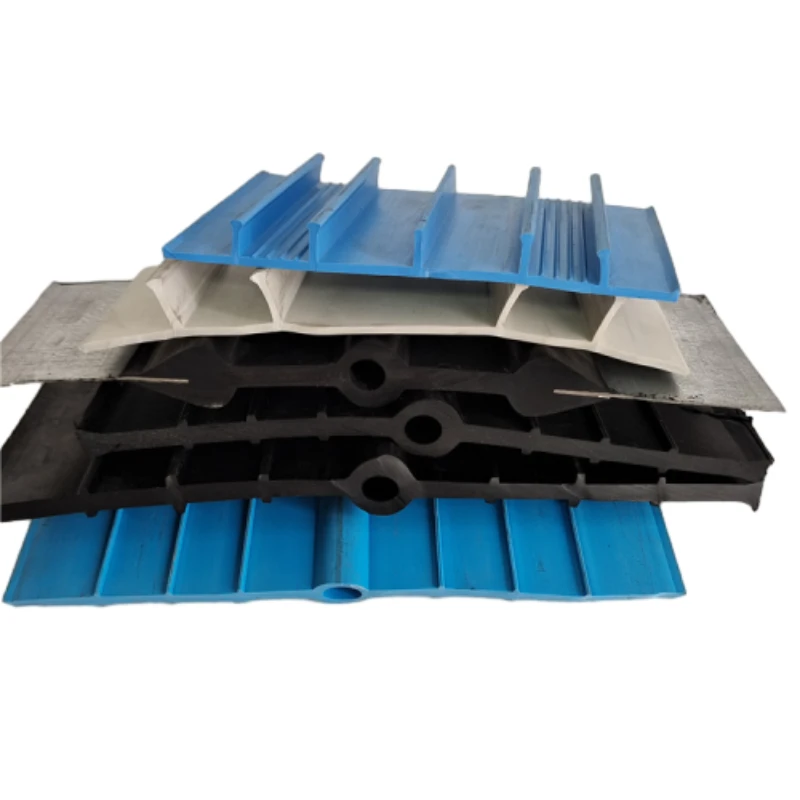
PVC water stoppers are available in a wide range of sizes to accommodate various joint widths and project requirements. Common sizes include 25mm, 50mm, 75mm, 100mm, 150mm, 200mm, and 300mm widths. The length typically comes in standard rolls, such as 25 meters or as per client specifications. Different profiles (center bulb, side bulb, flat) also cater to different applications. For example, a center bulb profile is frequently used for expansion joints, while a side bulb is more suited for construction joints. Choosing the right profile alongside the appropriate size is critical.
Application Guide:
• Basements & Foundations: 50mm - 100mm
• Water Treatment Plants: 75mm - 150mm
• Dams & Reservoirs: 150mm - 300mm
• Tunnels: Dependent on joint design – 50mm to 200mm+
Factors Influencing PVC Water Stopper Size Selection
Several factors influence the determination of the correct PVC water stopper size. These include the expected joint movement, the type of concrete being used, the water pressure, and the environmental conditions. For dynamic joints subject to significant movement, a larger and more flexible stopper is required. Consideration should also be given to the installation method and the potential for concrete shrinkage. A professional assessment of the project’s specific needs is always recommended.
PVC Water Stopper Profiles: Choosing the Right Shape
PVC water stoppers come in various profiles, each designed for specific joint types and applications. The most common profiles include:
Center Bulb: Ideal for expansion joints where movement is primarily perpendicular to the joint.
Side Bulb: Suitable for construction joints where movement is minimal and the bulb is placed against one side of the joint.
Flat: Used in situations where limited movement is expected and a flush finish is desired. Selecting the appropriate profile ensures optimal performance and long-term watertightness.
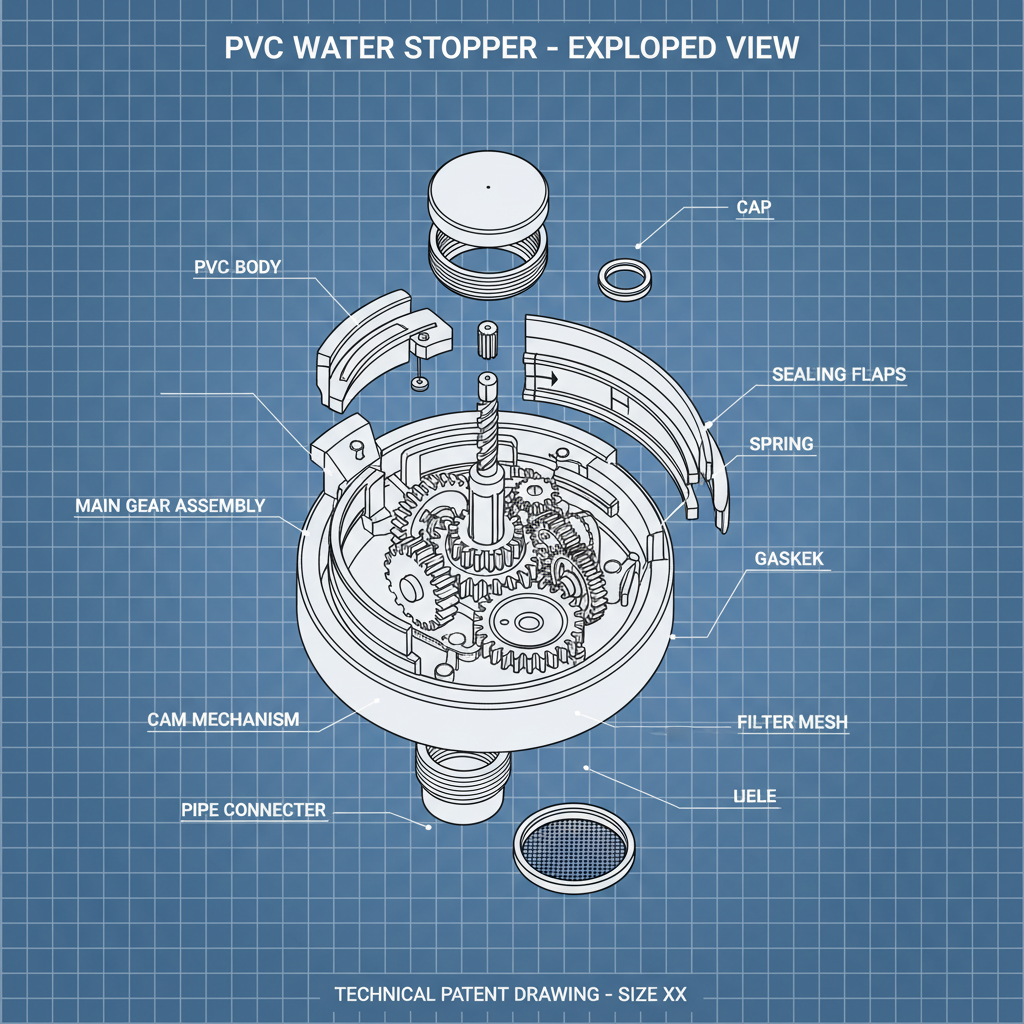
Product Specifications and Material Quality
High-quality PVC water stoppers are manufactured from durable, flexible PVC compounds that offer excellent resistance to chemicals, UV radiation, and abrasion. Key specifications to consider include tensile strength, elongation at break, and hardness. WRK Formwork provides water stoppers adhering to strict quality standards and certifications, guaranteeing reliable performance and longevity. Ensure the product meets relevant industry standards.
Conclusion: Investing in Quality Water Stopping Solutions
Choosing the correct PVC water stopper size and quality is a critical step in ensuring the long-term integrity and waterproofing of your concrete structures. By carefully considering the factors outlined in this guide and sourcing high-quality products from a reputable supplier like WRK Formwork, you can prevent costly water damage and ensure the durability of your projects.
Frequently Asked Questions (FAQs)
How do I measure the joint width for a PVC water stopper?
Accurate measurement is crucial. Use a calibrated measuring tool to determine the joint width at several points. Account for any variations and add a slight tolerance (e.g., 5-10mm) to ensure the stopper fully fills the joint without being over-compressed. If the joint width varies significantly, consider using a water stopper with a greater width or employing a segmented approach with multiple stoppers. It’s always better to err on the side of a slightly larger stopper than a smaller one.
What is the best way to install a PVC water stopper?
Proper installation is key to effectiveness. The water stopper should be centered within the joint and securely anchored during concrete pouring. Use appropriate fixing methods, such as tying wire or clips, to prevent displacement. Ensure the stopper is clean and free from debris before installation. Follow the manufacturer’s guidelines for specific installation recommendations.
Can PVC water stoppers be used in saltwater environments?
Yes, high-quality PVC water stoppers are generally resistant to saltwater corrosion. However, it's important to select a product specifically designed for marine or saltwater applications, as some PVC formulations may be more susceptible to degradation over time. WRK Formwork offers water stoppers suitable for harsh marine environments. Consult with a specialist to ensure the chosen material is appropriate for your specific conditions.
What are the signs that a PVC water stopper has failed?
Signs of failure include visible cracks, tears, or distortion of the stopper. Water leakage through the joint is an obvious indicator. Regularly inspect joints for any signs of deterioration and replace the water stopper if necessary. Preventative maintenance can significantly extend the lifespan of the system.
Latest News
-
High Quality Drywall Corner Metal Strip for Perfect Wall EdgesNewsApr.16,2026
-
Corner Metal for Drywall Guide for Perfect Professional EdgesNewsApr.09,2026
-
Comprehensive Guide to Corner Metal Drywall Installation and Material ChoicesNewsApr.07,2026
-
Comprehensive Guide to Corner Metal Bead for Durable Construction ProjectsNewsApr.04,2026
-
Comprehensive Guide to Corner Drywall Metal Installation and SelectionNewsMar.31,2026
-
Understanding Corner Bit Metal Applications and Sourcing for Robust StructuresNewsMar.28,2026