Jan . 28, 2026 11:10 Back To List
Essential Guide to Threaded Jack Screws for Precise Formwork Systems
Understanding Threaded Jack Screws for Formwork Systems
In the world of construction, particularly in formwork systems, precision and reliability are paramount. Threaded jack screws are critical components ensuring accurate leveling, alignment, and stability. This article dives deep into these essential screws, their applications, types, maintenance, and why choosing a quality supplier like WRK Formwork is vital. We'll explore their importance and how they contribute to efficient and safe construction projects.
What are Threaded Jack Screws?
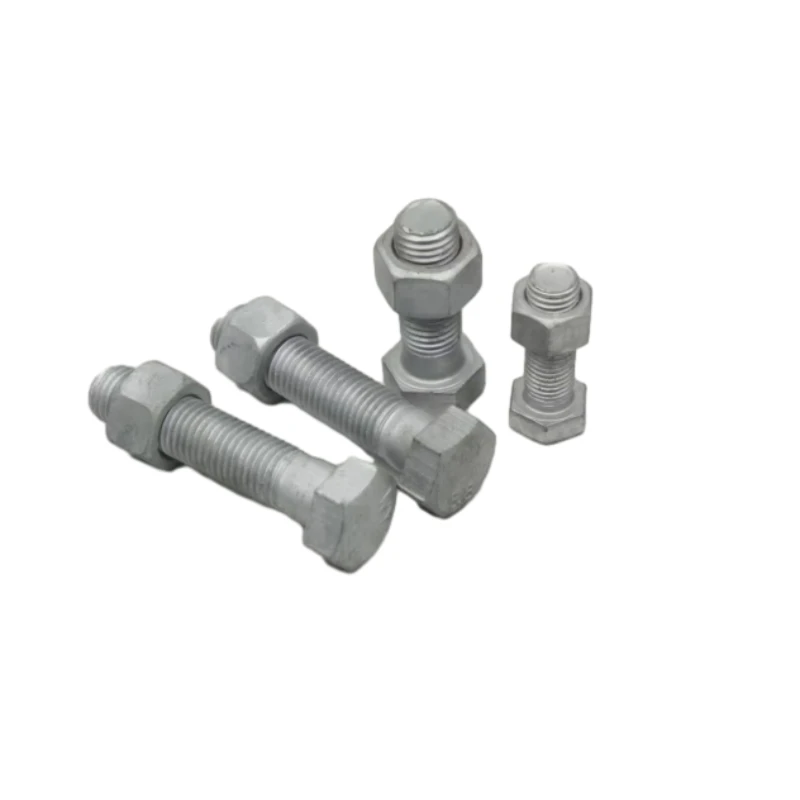
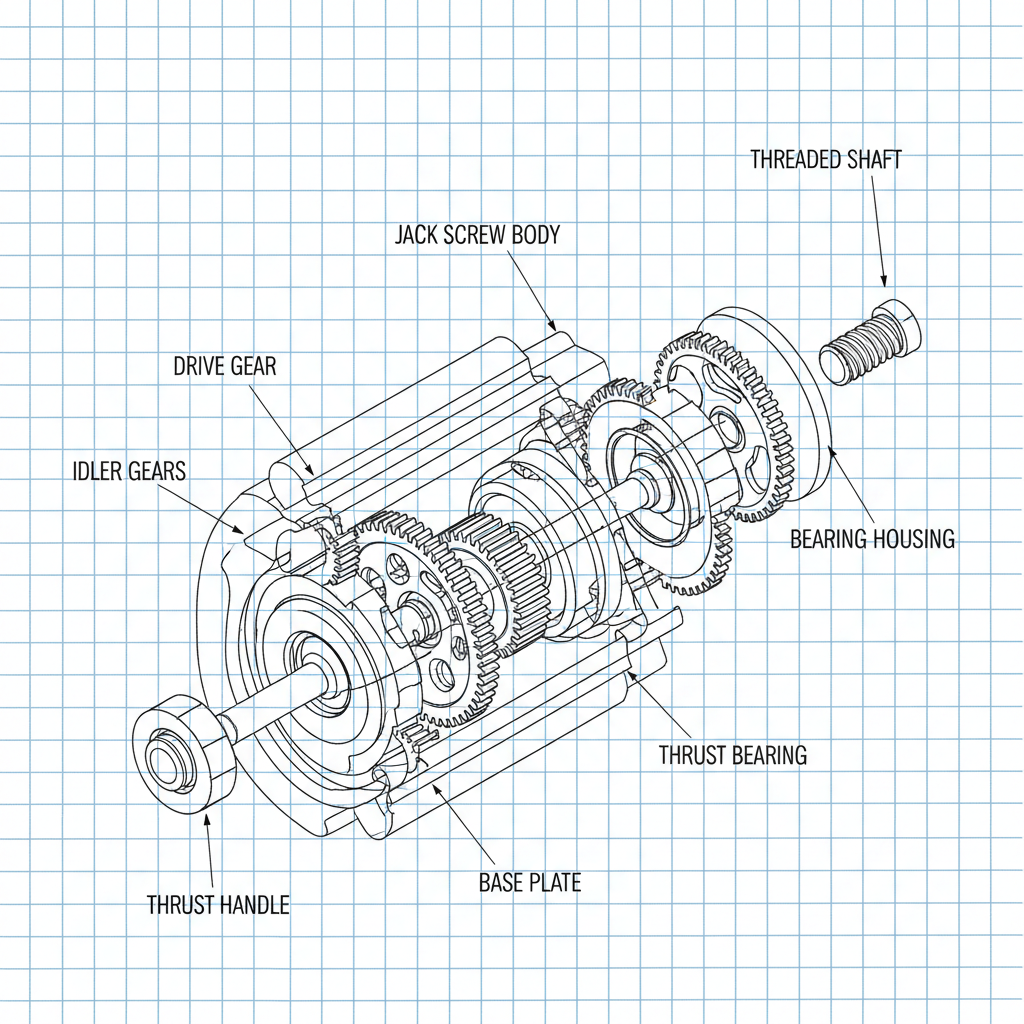
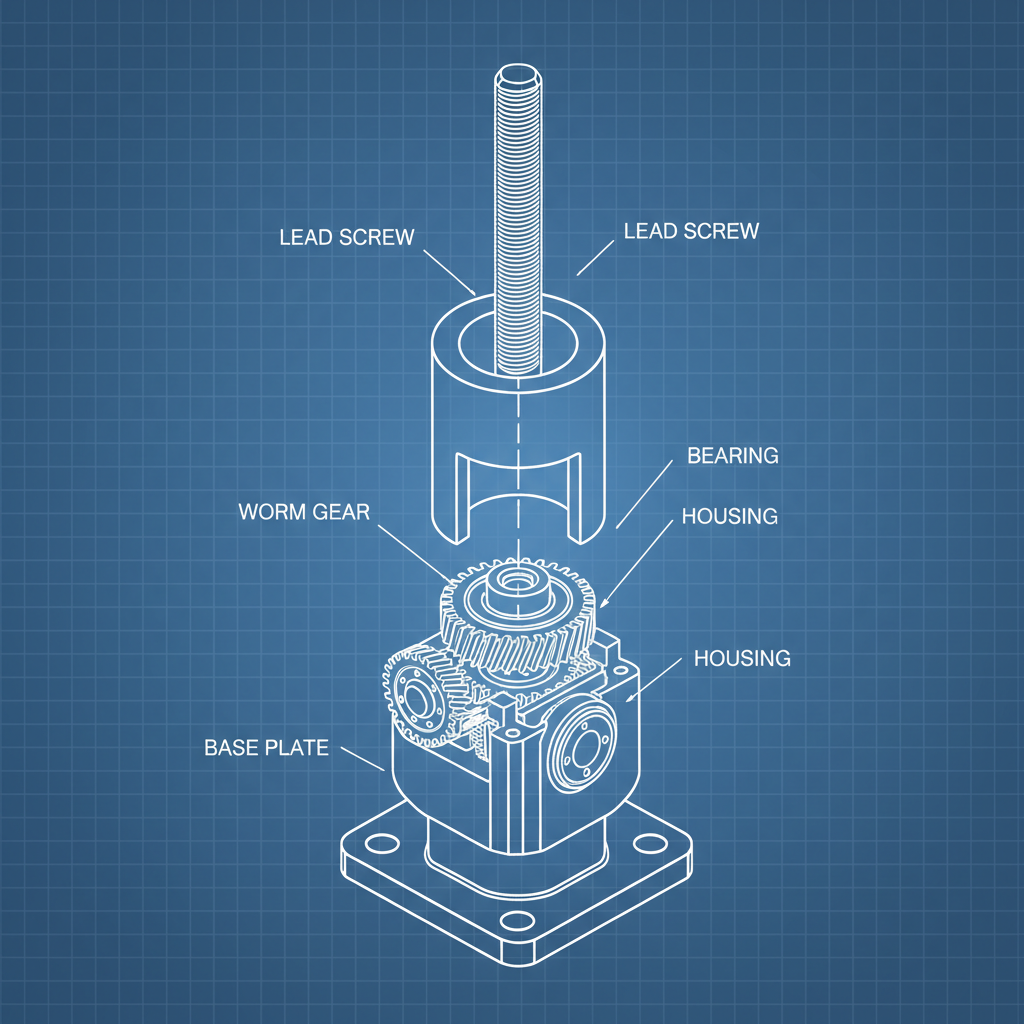
Threaded jack screws, also known as leveling screws or adjusting screws, are mechanical fasteners used to precisely adjust the height or position of a formwork system. They typically consist of a screw with coarse threads, a swivel nut, and a base plate. Turning the screw extends or retracts the threaded section, enabling minute adjustments. These screws are indispensable in ensuring that concrete forms are perfectly leveled before pouring, preventing structural defects and ensuring accurate dimensions. The quality of the screw directly impacts the accuracy and stability of the entire formwork structure.
Key Features: Coarse threads for rapid adjustment, durable construction for heavy loads, precise leveling capability, and compatibility with various formwork systems.
Types of Threaded Jack Screws
Several types of threaded jack screws cater to different formwork applications and load requirements. Common types include:
- Standard Jack Screws: Used for general formwork leveling.
- Heavy-Duty Jack Screws: Designed for high-load applications, often found in large-scale concrete projects.
- Fine-Thread Jack Screws: Offer greater precision for applications requiring extremely accurate adjustments.
- Self-Locking Jack Screws: Prevent unintentional loosening due to vibrations during concrete pouring.
Choosing the appropriate type of screw depends on the specific project needs and the weight of the formwork system. WRK Formwork offers a comprehensive range to meet diverse requirements.
Key Considerations When Choosing:
• Load Capacity
• Adjustment Precision
• Environmental Conditions
• Formwork System Compatibility
Threaded Jack Screws: A Comparative Analysis
Understanding the differences between materials and designs is vital. Here’s a comparison of commonly used materials:
Proper Maintenance for Longevity
To ensure the longevity and reliable performance of your threaded jack screws, regular maintenance is crucial. This includes:
- Cleaning: Remove dirt, debris, and concrete residue after each use.
- Lubrication: Apply a suitable lubricant to the threads to prevent corrosion and ensure smooth operation.
- Inspection: Regularly inspect for signs of wear, damage, or thread deformation.
- Replacement: Replace worn or damaged screws immediately to avoid compromising the formwork's stability.
WRK Formwork provides detailed maintenance guidelines and high-quality replacement screws.
Why Choose WRK Formwork for Your Jack Screw Needs?
At WRK Formwork, we understand the critical role these components play in construction. We offer a wide selection of high-quality threaded jack screws manufactured to stringent standards. Our commitment to providing durable, reliable products and exceptional customer service sets us apart. We prioritize delivering solutions that enhance efficiency, safety, and the overall success of your projects.
Conclusion: Ensuring Structural Integrity with Quality Jack Screws
Investing in high-quality threaded jack screws from a reputable supplier like WRK Formwork is essential for ensuring the structural integrity and safety of your construction projects. Don't compromise on quality – choose WRK Formwork for reliable performance and peace of mind.
Frequently Asked Questions (FAQs)
What is the recommended torque for tightening threaded jack screws?
The recommended torque depends on the size and type of the jack screw, as well as the formwork system. Over-tightening can damage the threads or the formwork, while under-tightening can lead to instability. Always refer to the manufacturer’s specifications for the correct torque value. WRK Formwork provides detailed technical data sheets with torque recommendations for all our jack screws.
How often should threaded jack screws be replaced?
The replacement frequency depends on usage and environmental conditions. Generally, inspect jack screws before each use and replace any that show signs of wear, corrosion, or damage. As a general guideline, replace screws every 1-2 years, or more frequently for heavily used systems. Regular maintenance and timely replacement are crucial for ensuring formwork safety.
What factors can affect the accuracy of leveling with jack screws?
Several factors can influence leveling accuracy, including the quality of the screws, proper lubrication, the flatness of the base plates, and the skill of the operator. Using high-quality screws like those from WRK Formwork, ensuring proper lubrication, and utilizing a precise leveling instrument will help maximize accuracy.
Are threaded jack screws interchangeable between different formwork systems?
Not always. While some screws may appear similar, different formwork systems may require specific thread sizes, lengths, or base plate designs. Using incompatible screws can compromise the formwork’s stability and safety. Always consult the formwork manufacturer’s specifications or contact WRK Formwork for guidance.
Latest News
-
High Quality Drywall Corner Metal Strip for Perfect Wall EdgesNewsApr.16,2026
-
Corner Metal for Drywall Guide for Perfect Professional EdgesNewsApr.09,2026
-
Comprehensive Guide to Corner Metal Drywall Installation and Material ChoicesNewsApr.07,2026
-
Comprehensive Guide to Corner Metal Bead for Durable Construction ProjectsNewsApr.04,2026
-
Comprehensive Guide to Corner Drywall Metal Installation and SelectionNewsMar.31,2026
-
Understanding Corner Bit Metal Applications and Sourcing for Robust StructuresNewsMar.28,2026