Apr . 07, 2026 02:15 Back To List
Comprehensive Guide to Corner Metal Drywall Installation and Material Choices
Understanding Corner Metal Drywall: A Comprehensive Guide
Corner metal drywall, also known as metal corner bead, is a crucial component in achieving durable and professional-looking drywall finishes. This guide will explore its purpose, types, installation, and benefits, especially within the context of construction and renovation projects. We’ll delve into how choosing the right corner bead impacts the longevity and aesthetic appeal of your drywall. For high-quality formwork solutions that complement your drywall projects, visit WRK Formwork.
What is Corner Metal Drywall?
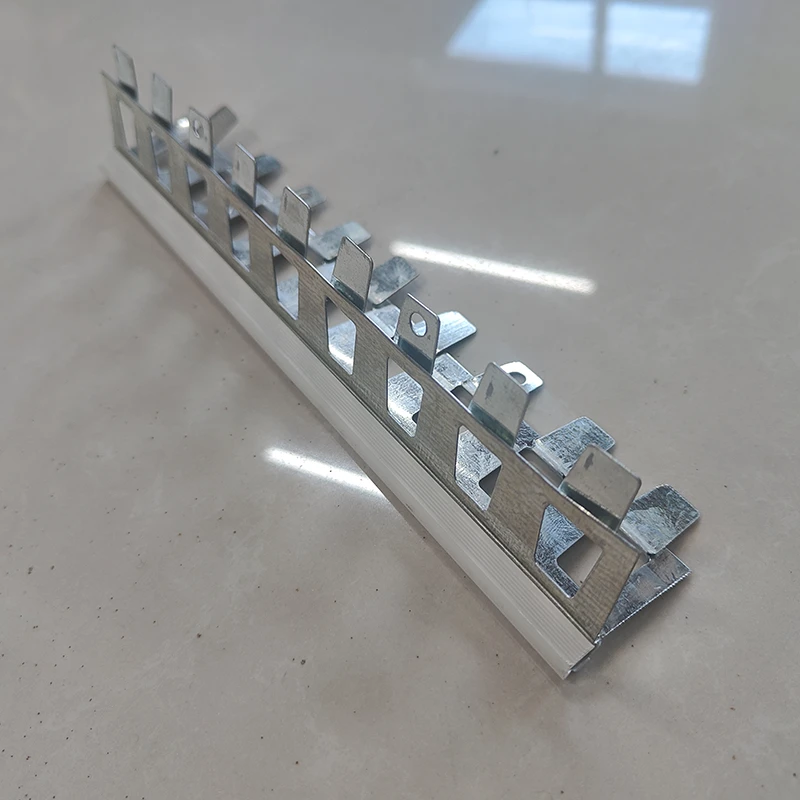
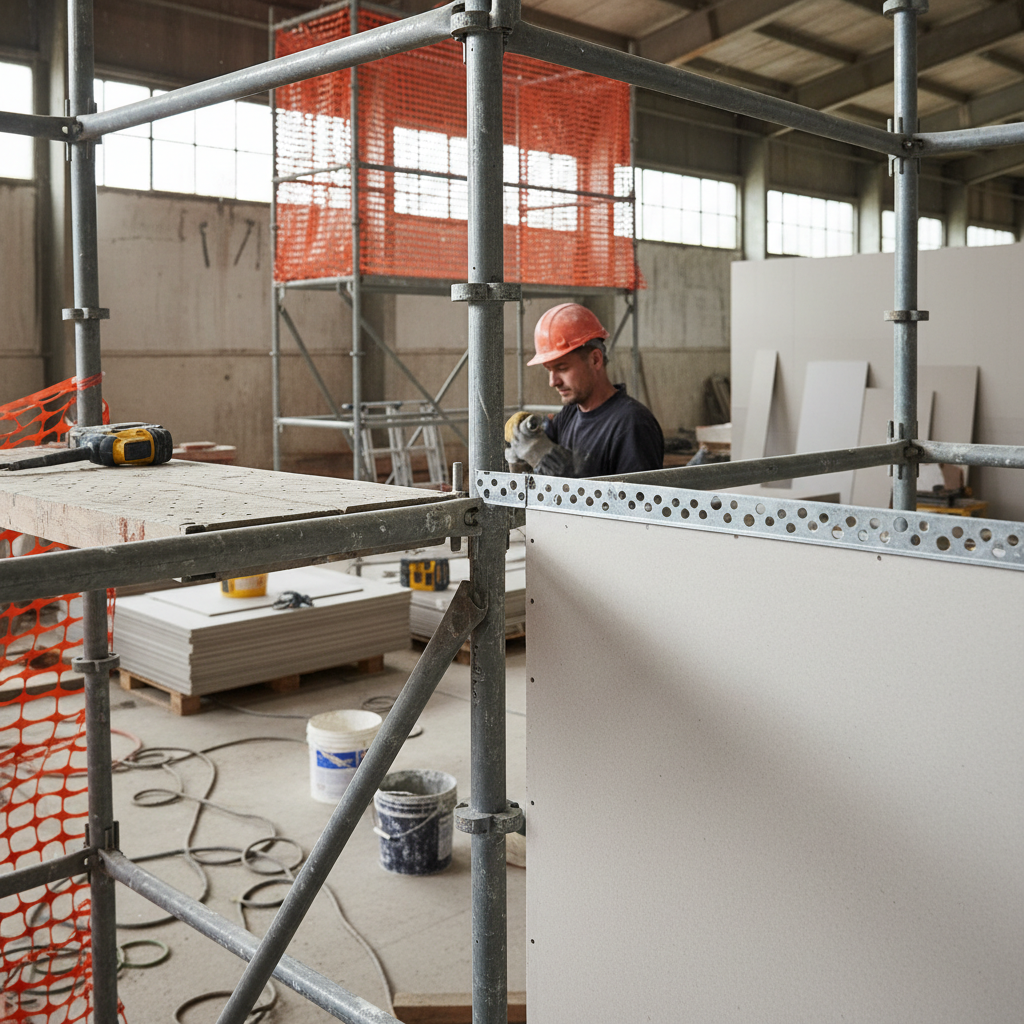
Corner metal drywall is a protective strip, typically made of galvanized steel, stainless steel, or aluminum, applied to external drywall corners to prevent damage from impact and abrasion. These corners are particularly vulnerable during daily use and require reinforcement. The bead provides a straight, clean edge for applying drywall compound (mud) and finishing, resulting in a professional-looking corner. Protecting these corners from damage extends the life of the drywall and reduces the need for costly repairs.
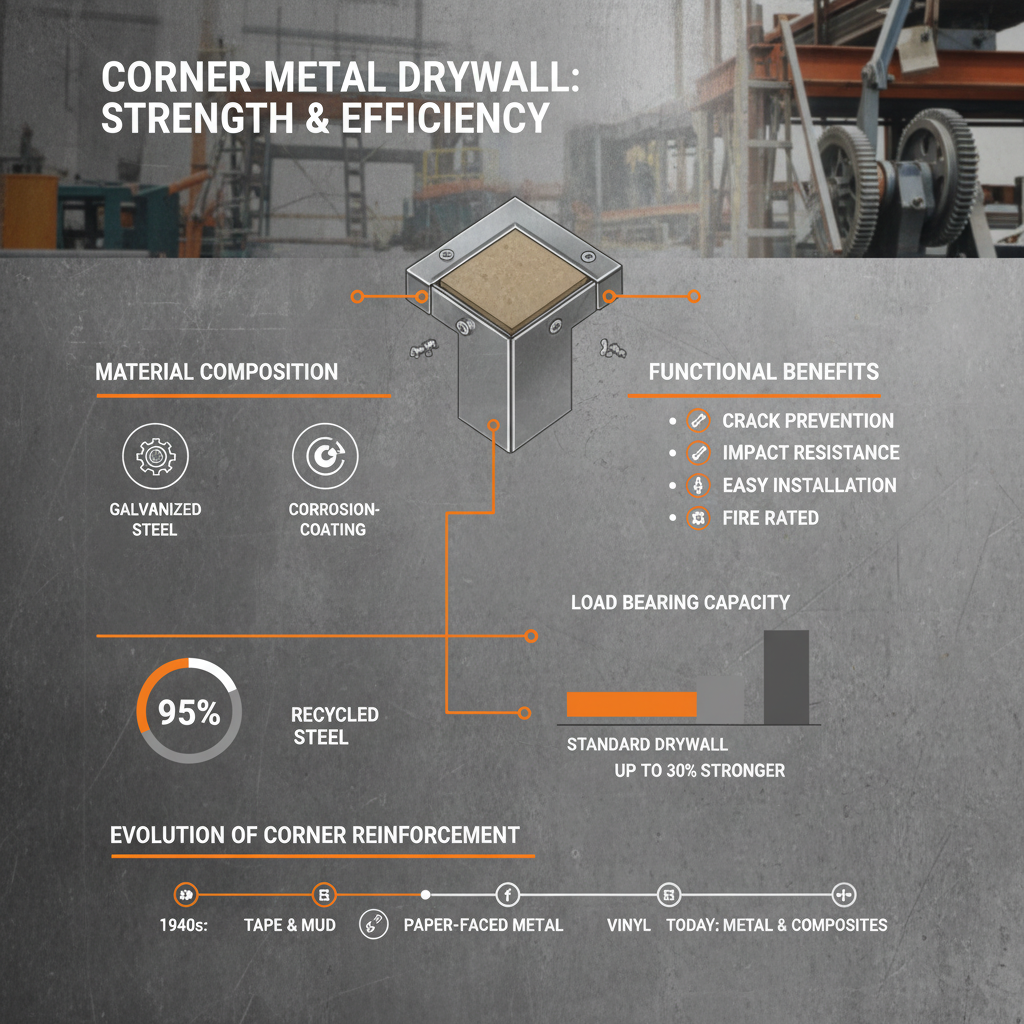
Key Benefits: Provides impact resistance, creates a clean finish, extends drywall lifespan, and protects against damage.
Types of Corner Metal Drywall
Several types of corner metal drywall are available, each suited for specific applications. Common types include:
- Paper-Faced Metal Bead: Features a paper facing that bonds directly with the drywall compound, simplifying the mudding process.
- Vinyl-Faced Metal Bead: Offers a durable vinyl facing that provides a smooth, paintable surface.
- Solid Metal Bead: Provides the highest level of impact resistance, ideal for high-traffic areas.
- Mud-on Bead: Requires a thicker coat of mud for proper finishing, offering a more pronounced corner detail.
Selecting the appropriate type depends on the level of protection required, the desired finish, and personal preference.
Choosing the Right Type:
• High-Traffic Areas: Solid Metal Bead
• Standard Walls: Paper-Faced or Vinyl-Faced Metal Bead
• Decorative Corners: Mud-on Bead
Installation of Corner Metal Drywall
Proper installation is key to ensuring the effectiveness and longevity of corner metal drywall. The general process involves:
- Cutting to Size: Cut the metal bead slightly longer than the corner.
- Attaching to the Drywall: Secure the bead to the drywall using drywall screws or nails, spaced approximately 12 inches apart.
- Embedding in Mud: Apply a layer of drywall compound over the bead, embedding it slightly.
- Finishing: Apply additional coats of compound, feathering the edges for a smooth, seamless finish.
- Sanding & Painting: Once dry, sand the corner smooth and paint to match the surrounding wall.
Always refer to the manufacturer's instructions for specific guidelines and best practices.
Corner Metal Drywall: A Comparison of Materials
The material of the corner bead impacts its durability, cost, and suitability for different environments. Here's a comparison:
Why Choose WRK Formwork for Your Project Needs?
While this guide focuses on corner metal drywall, a successful construction project relies on all its components. WRK Formwork provides high-quality formwork solutions that ensure structural integrity and precision in your builds. Our products are designed to streamline your construction process and deliver durable, professional results. Combining quality drywall finishing with robust formwork is a recipe for success.
Conclusion: Ensuring Durability and a Professional Finish
Corner metal drywall is an essential element in achieving durable, professional-looking drywall finishes. Choosing the right type, ensuring proper installation, and using high-quality materials are crucial for long-lasting results. By understanding these principles and partnering with reliable suppliers like WRK Formwork, you can confidently tackle your drywall projects and achieve exceptional outcomes.
Frequently Asked Questions (FAQs)
What is the best way to prevent rust on galvanized steel corner bead?
While galvanized steel offers good protection, rust can still develop over time, especially in humid environments. To prevent rust, ensure the corner bead is fully embedded in drywall compound, creating a barrier against moisture. Applying a primer specifically designed for metal surfaces before painting is also highly recommended. For areas prone to high humidity, consider using stainless steel corner bead, which provides superior rust resistance. Proper storage of unused corner bead in a dry location is crucial to prevent premature corrosion.
Can I use corner bead on curved walls?
Yes, but it requires more effort and specialized techniques. Flexible metal corner bead is available, designed to conform to curves and irregular surfaces. It's essential to cut the bead carefully to match the curve and securely fasten it with a higher density of fasteners. Alternatively, you can create a custom-bent corner bead using metal fabrication tools, but this requires specialized skills. The paper or vinyl facing on some corner beads can also be scored and bent carefully, though this method is less precise.
How much drywall compound should I use when embedding corner bead?
The amount of compound depends on the type of corner bead. Paper-faced bead typically requires a thinner coat, as the paper bonds directly to the compound. Vinyl-faced and solid metal beads generally require a thicker coat, approximately 1/8 to 1/4 inch, to fully embed the bead and create a smooth transition. It's crucial to apply enough compound to completely cover the metal and feather the edges for a seamless finish. Multiple thin coats are preferable to a single thick coat to prevent cracking and ensure a durable bond.
What tools are essential for installing corner metal drywall?
Essential tools include: a utility knife for cutting the bead, metal snips for cleaner cuts, a drywall screw gun or hammer and nails for attaching the bead, a taping knife (6-inch and 12-inch) for applying drywall compound, a mud pan, sandpaper for smoothing the finished corners, and a dust mask to protect against drywall dust. A level is also crucial to ensure the corner bead is installed straight and plumb.
Latest News
-
High Quality Drywall Corner Metal Strip for Perfect Wall EdgesNewsApr.16,2026
-
Corner Metal for Drywall Guide for Perfect Professional EdgesNewsApr.09,2026
-
Comprehensive Guide to Corner Metal Bead for Durable Construction ProjectsNewsApr.04,2026
-
Comprehensive Guide to Corner Drywall Metal Installation and SelectionNewsMar.31,2026
-
Understanding Corner Bit Metal Applications and Sourcing for Robust StructuresNewsMar.28,2026