Jan . 29, 2026 17:10 Back To List
Understanding the Function and Applications of a Threaded Rod Jack
Understanding the Versatility of a Threaded Rod Jack
In the world of construction, infrastructure projects, and heavy lifting, precise alignment and height adjustment are critical. This is where a threaded rod jack becomes an invaluable tool. It's more than just a piece of equipment; it’s a cornerstone of safe and efficient operations. This article will delve into the function, applications, benefits, and considerations when choosing a threaded rod jack, specifically focusing on the solutions offered by WRK Formwork. We'll examine why selecting the right jack is essential for project success.
What is a Threaded Rod Jack and How Does it Work?
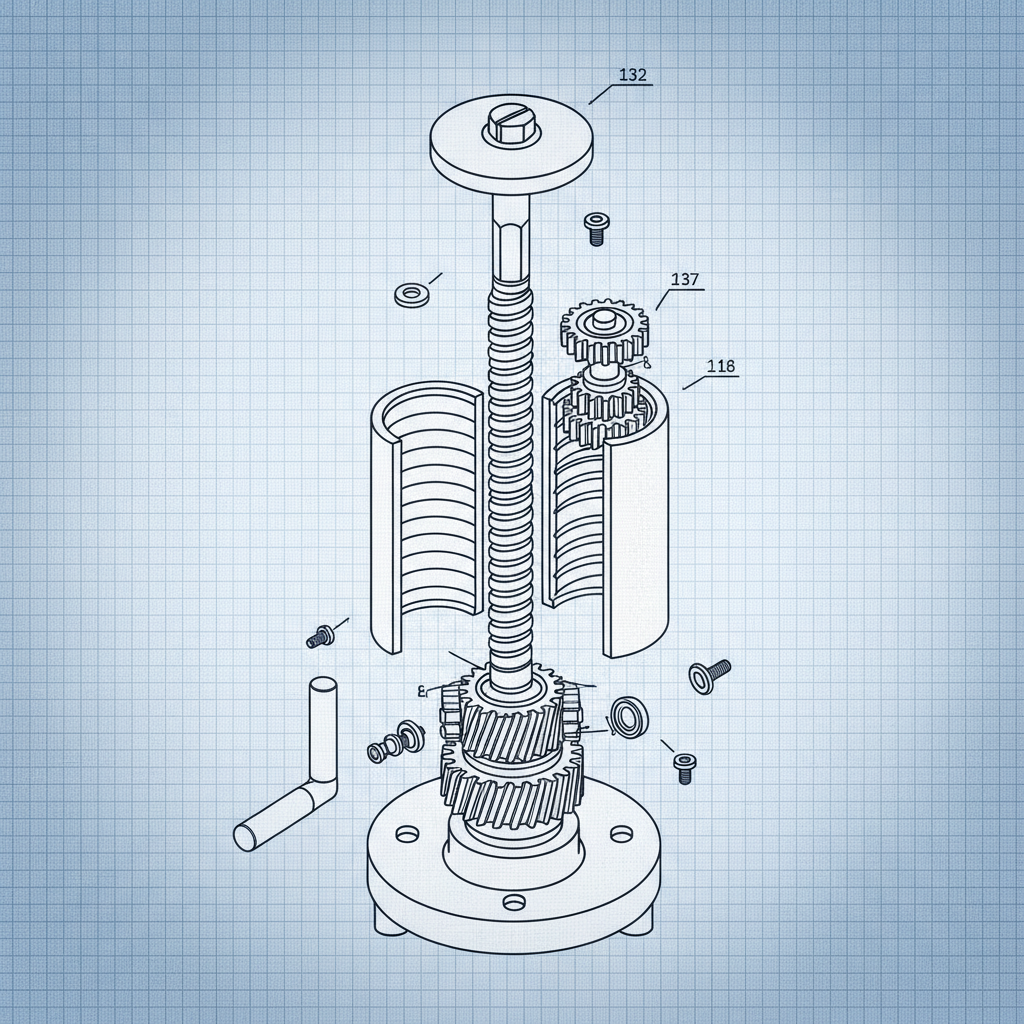
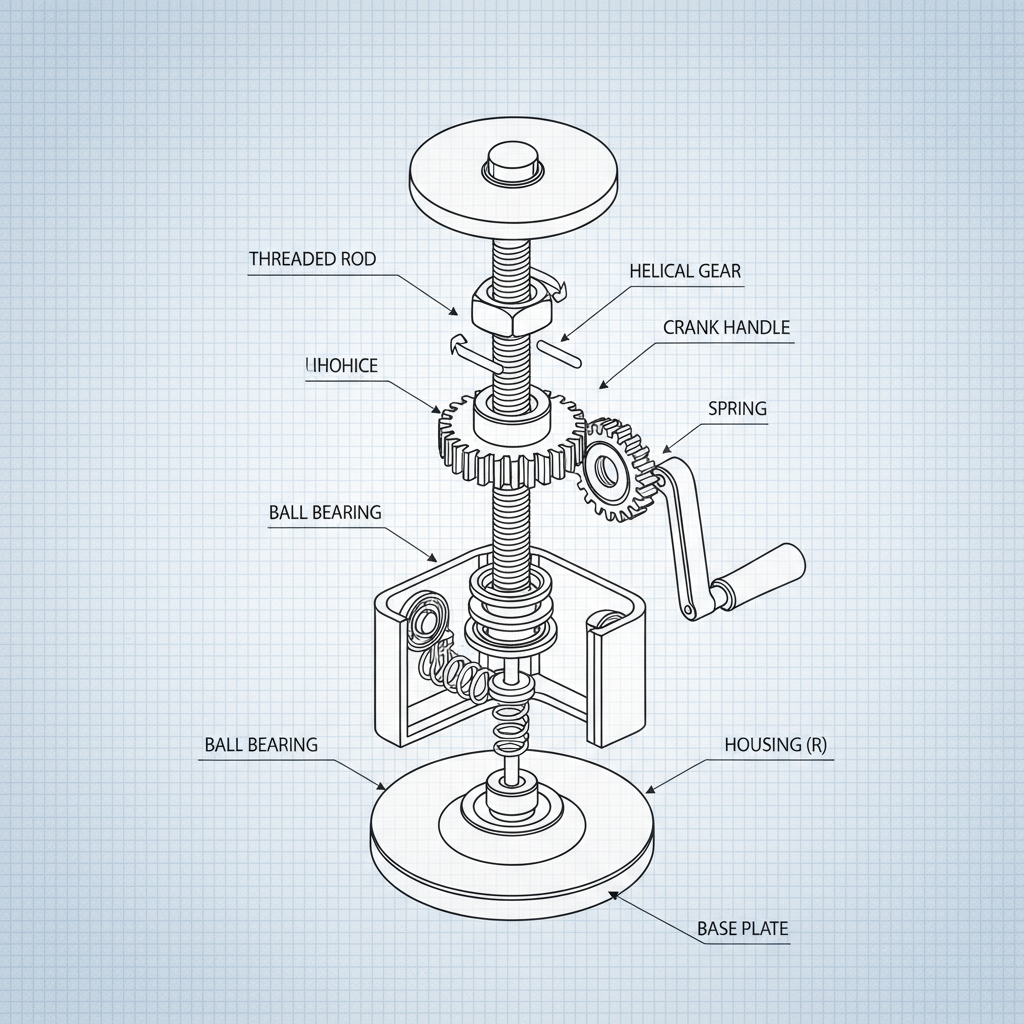
A threaded rod jack, also known as a screw jack, is a mechanical device used to lift or support heavy loads. It utilizes a threaded rod and a nut, which, when rotated, either raises or lowers the load. The principle is simple yet powerful: turning the rod converts rotational motion into linear motion. These jacks offer a controlled and precise lifting and lowering process, making them ideal for applications where accuracy is paramount. They’re commonly used in lifting heavy machinery, supporting formwork in concrete construction, and adjusting the height of structures during installation or maintenance. WRK Formwork offers a range of these jacks designed for diverse load requirements and project needs.
Key Features: Precise lifting and lowering, high load capacity, durable construction, and relatively simple operation.
Key Applications of Threaded Rod Jacks
Threaded rod jacks find application across a surprisingly broad spectrum of industries. In construction, they are critical for supporting concrete forms during pouring and curing. Within the oil and gas industry, they're used for maintaining and adjusting pipeline supports. Infrastructure projects, such as bridge construction and building erection, rely heavily on these jacks for precise positioning and alignment. Even in manufacturing, they can be employed for lifting and adjusting heavy machinery. The versatility of a threaded rod jack from WRK Formwork makes it an indispensable asset for countless projects.
Common Applications:
• Supporting concrete forms
• Adjusting pipeline supports
• Bridge and building construction
• Lifting and adjusting heavy machinery
Threaded Rod Jack Selection: Key Considerations
Choosing the right threaded rod jack isn’t a one-size-fits-all scenario. Several factors must be considered. First and foremost is the load capacity: the jack must be able to safely handle the weight of the object being lifted or supported. Secondly, consider the stroke length – the maximum distance the jack can be extended. The lifting speed is another important aspect, impacting project timelines. Material quality and construction also play a critical role. Investing in jacks made from durable materials ensures longevity and reliability. WRK Formwork provides detailed specifications and expert advice to help you select the perfect jack for your application.
WRK Formwork’s Threaded Rod Jack Solutions
WRK Formwork offers a comprehensive range of threaded rod jacks to suit various project demands. Our jacks are manufactured to the highest standards, ensuring reliability and safety. We provide options with different load capacities, stroke lengths, and thread types, enabling you to find the perfect solution for your specific needs. We also offer expert technical support and guidance to assist you in selecting the most appropriate jack. WRK Formwork is committed to providing high-quality products and exceptional customer service.
Safety Precautions When Using Threaded Rod Jacks
While threaded rod jacks are generally safe to use, adhering to safety precautions is vital. Always ensure the jack is placed on a stable and level surface. Never exceed the jack’s rated load capacity. Regularly inspect the jack for any signs of damage or wear. Use appropriate personal protective equipment (PPE), such as gloves and safety glasses. Proper training is essential for all personnel operating these jacks. WRK Formwork provides detailed safety guidelines with all its products.
Conclusion: Investing in Quality and Safety
Choosing the right threaded rod jack is crucial for the success and safety of your project. WRK Formwork offers a robust selection of high-quality jacks, backed by expert support and a commitment to customer satisfaction. Don’t compromise on safety and efficiency – choose WRK Formwork for your lifting and adjustment needs.
Frequently Asked Questions (FAQs)
What is the typical maintenance required for a threaded rod jack?
Regular maintenance is key to prolonging the life of your threaded rod jack. This includes cleaning the threaded rod to remove any dirt, debris, or corrosion. Lubricating the threads with a suitable grease or oil is also essential to ensure smooth operation. Inspect the jack regularly for any signs of wear or damage, such as cracks or bent components. Tighten any loose bolts or nuts. WRK Formwork recommends a thorough inspection and lubrication schedule every six months, or more frequently in harsh environments. Following these practices will help maintain the jack’s performance and safety.
What safety factors should be considered when selecting a jack?
A safety factor is a crucial consideration when selecting a threaded rod jack. It represents the ratio of the jack’s ultimate load capacity to the working load. A higher safety factor indicates a more robust and reliable jack. It's generally recommended to choose a jack with a safety factor of at least 2:1, meaning the jack can handle twice the intended load. For critical applications or dynamic loads, a higher safety factor (e.g., 3:1 or 4:1) may be necessary. Always consult with a qualified engineer to determine the appropriate safety factor for your specific application.
Are there different types of threads used in threaded rod jacks?
Yes, there are several types of threads commonly used in threaded rod jacks, including Acme threads, square threads, and metric threads. Acme threads are the most popular choice due to their high efficiency, self-locking ability, and durability. Square threads offer even higher efficiency but are more expensive to manufacture. Metric threads are often used in European applications. The choice of thread type depends on the specific application requirements, such as load capacity, speed, and precision. WRK Formwork offers jacks with various thread types to meet diverse needs.
Latest News
-
High Quality Drywall Corner Metal Strip for Perfect Wall EdgesNewsApr.16,2026
-
Corner Metal for Drywall Guide for Perfect Professional EdgesNewsApr.09,2026
-
Comprehensive Guide to Corner Metal Drywall Installation and Material ChoicesNewsApr.07,2026
-
Comprehensive Guide to Corner Metal Bead for Durable Construction ProjectsNewsApr.04,2026
-
Comprehensive Guide to Corner Drywall Metal Installation and SelectionNewsMar.31,2026
-
Understanding Corner Bit Metal Applications and Sourcing for Robust StructuresNewsMar.28,2026