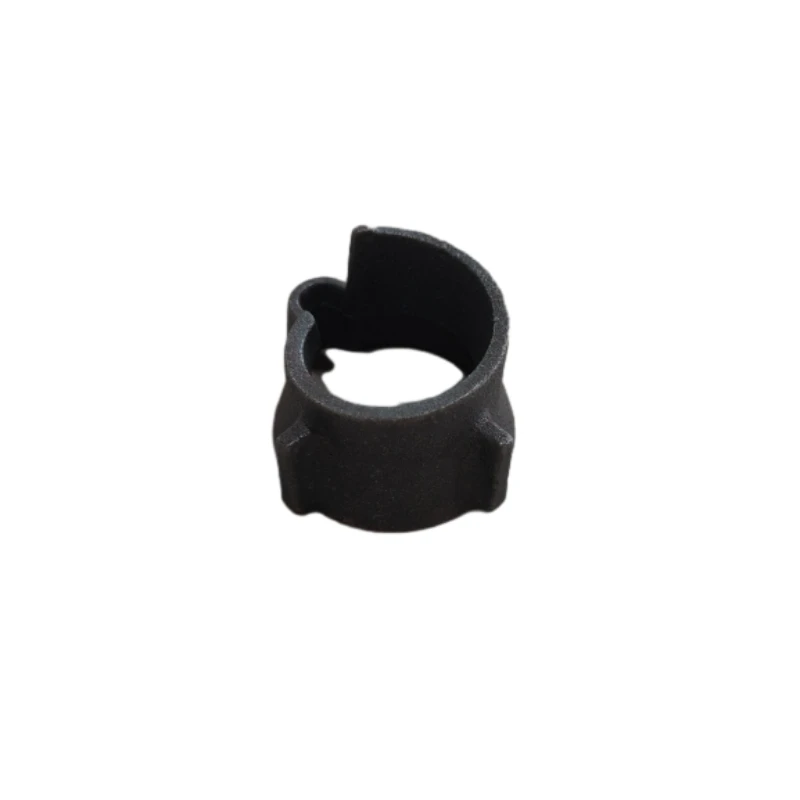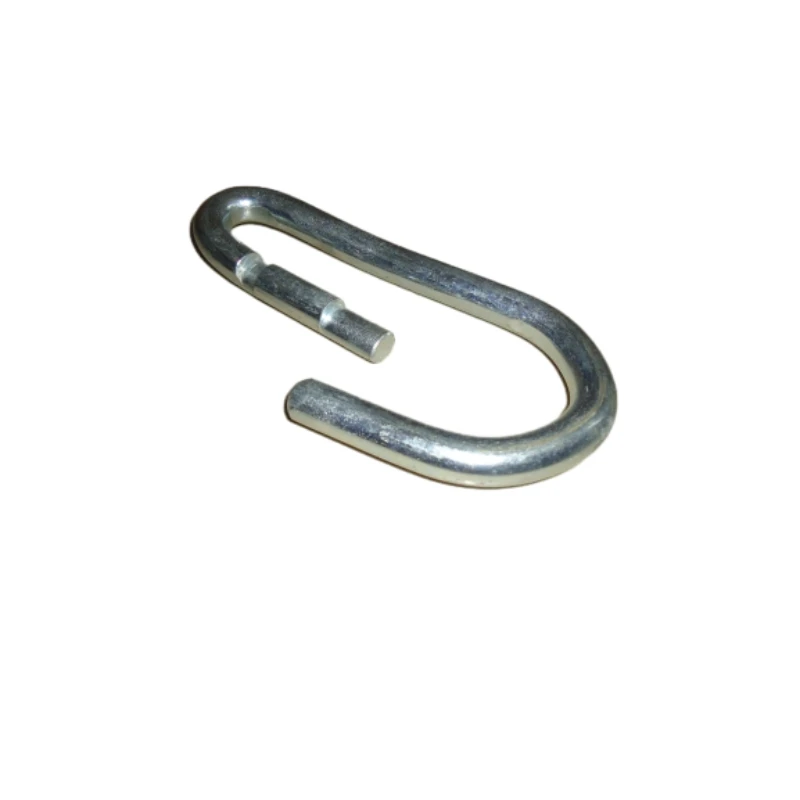
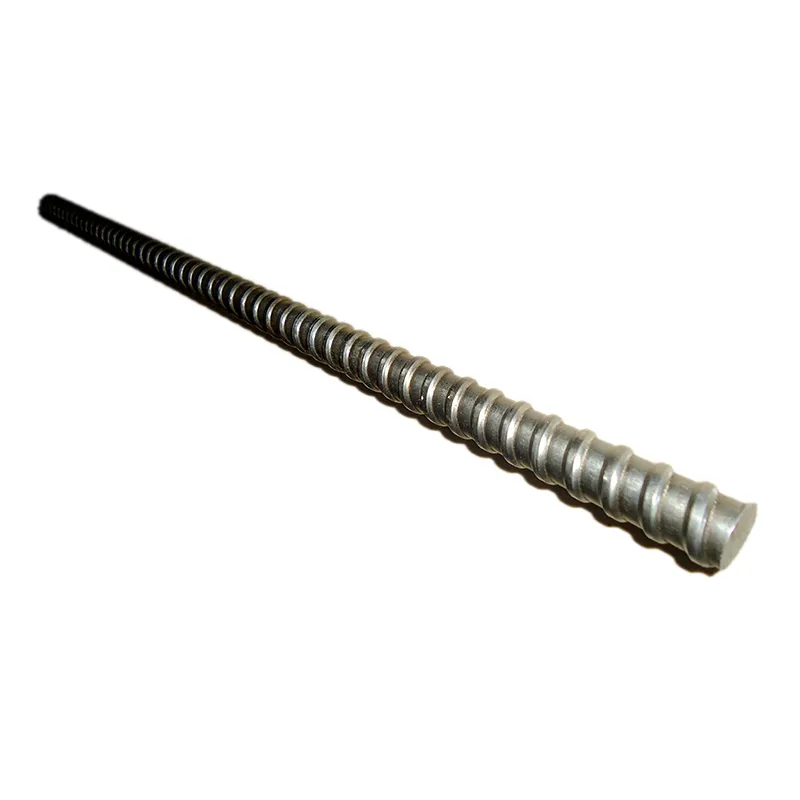
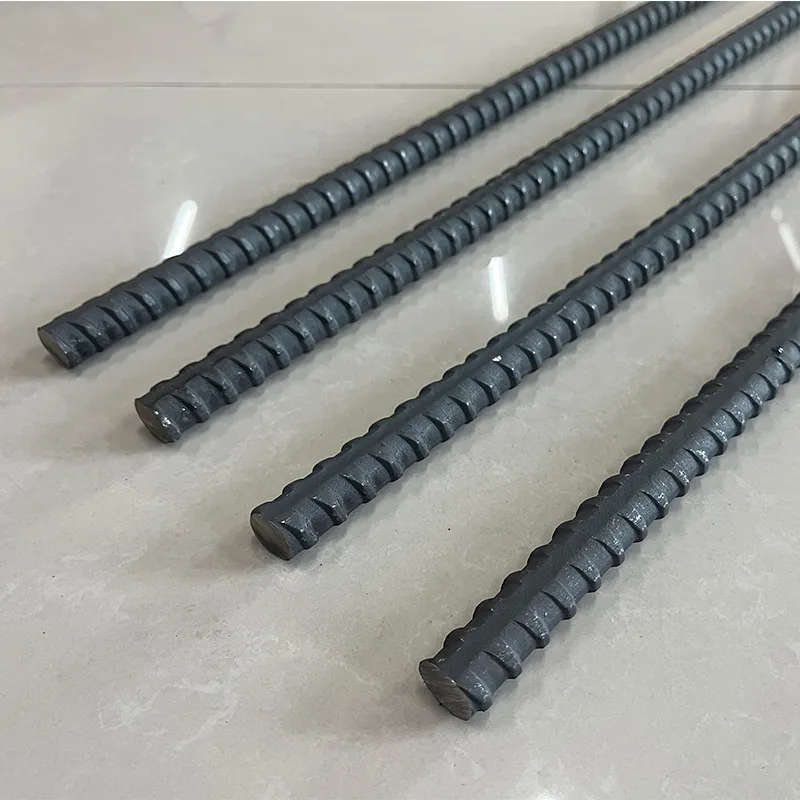
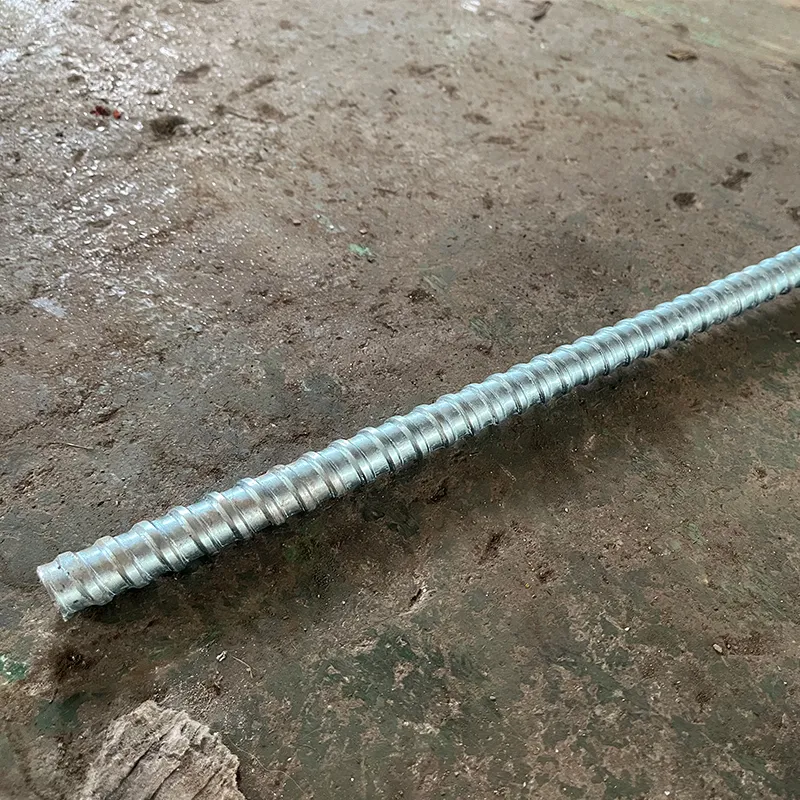
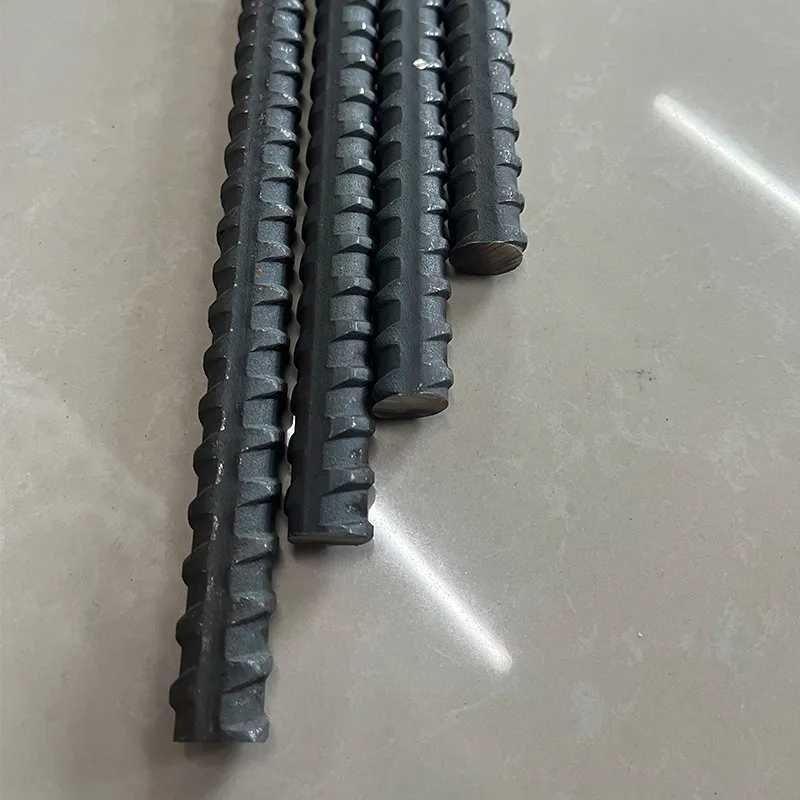
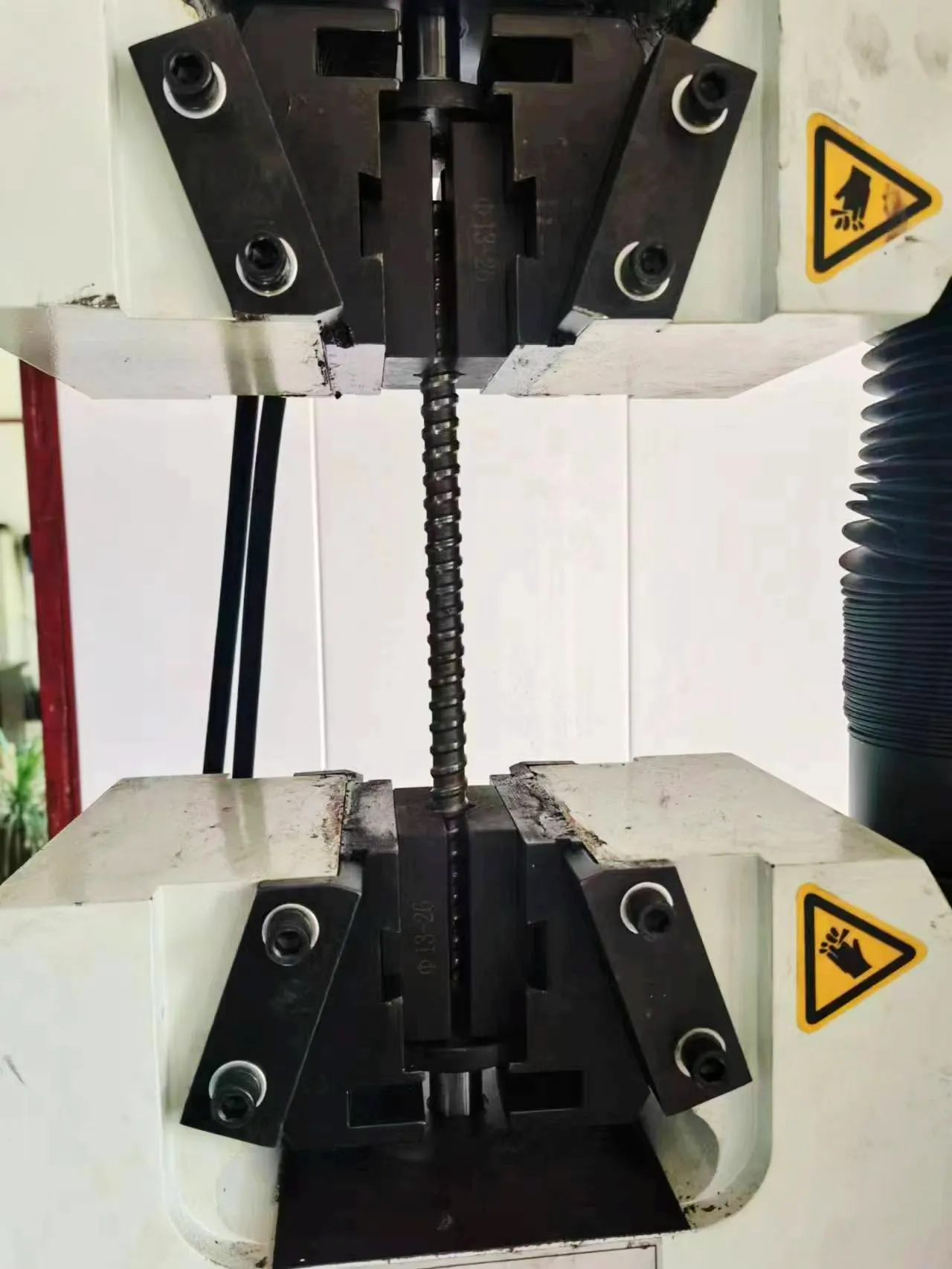
- Niskougljični čelik Q235--Nosivost loma oko 90KN
- Čelik visoke čvrstoće 45----Kapacitet opterećenja oko 140KN
- Razred 830 za najveću nosivost --- Prekidna nosivost oko 180KN
Spojnice za oplate se široko koriste u različitim građevinskim projektima uključujući stambene zgrade, poslovne objekte, mostove i druge građevinske radove gdje se beton izlije u forme. Njihova sposobnost da održe ujednačenu debljinu zida i strukturnu stabilnost čini ih nezamjenjivim u postizanju visokokvalitetnih završnih obrada betona.
WRK nudi sljedeće specifikacije za marketing:
|
Prečnik |
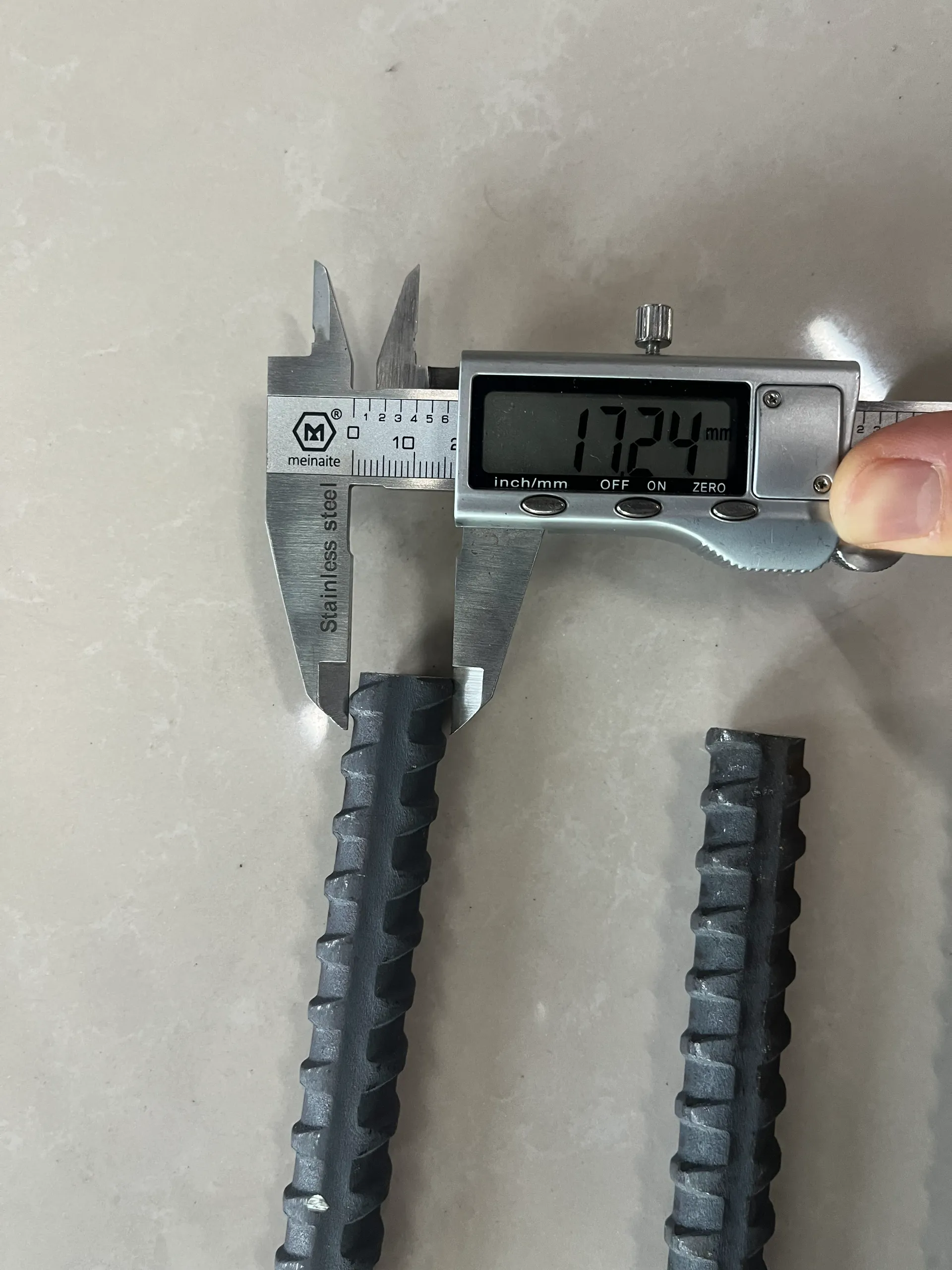
OD15/17mm (Unutarnji prečnik 15 mm, spoljni prečnik 17 mm) |
||
|
Korak |
10mm |
||
|
Dužina |
1/2/3/4/5/6 metara |
||
|
Materijal |
Q235 |
45# |
PSB830 |
|
Dizajn |
|
|
|
|
Težina |
1,5 kg/metar |
1,5 kg/metar |
1,4 kg/metar |
|
Površina |
Prirodno/žuto pocinčano/pocinčano |
Prirodno/žuto pocinčano/pocinčano |
Prirodno/žuto pocinčano/pocinčano |
|
Paketi |
U paketima/paletama |
||
|
MOQ |
1000 metara |
||
|
Uslovi |
EXW /FOB/CNF/CIF |
||
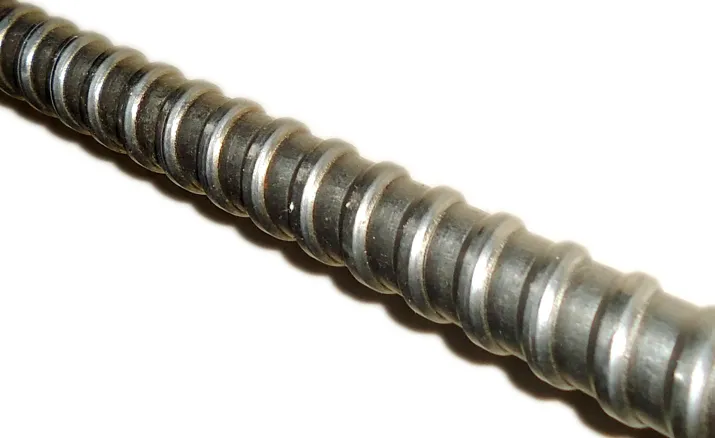
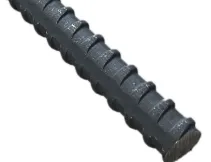
WRK nudi samo visokokvalitetne spone za oplate za sigurne građevinske terene.
Proizvodnja spojnih šipki za oplate od čelika uključuje nekoliko ključnih koraka, uključujući izbor materijala, proizvodnju i procese završne obrade.
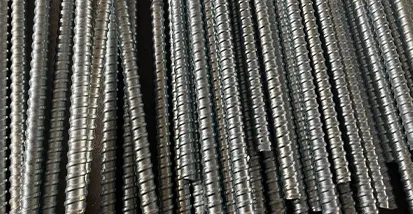
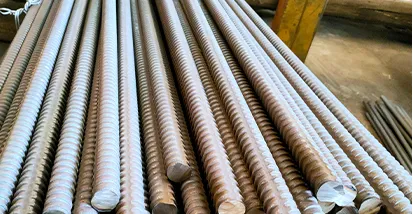
Galvanizacija: Elektro-galvanizacija za pružanje robusnog zaštitnog sloja, boja može biti zlatna ili srebrna.
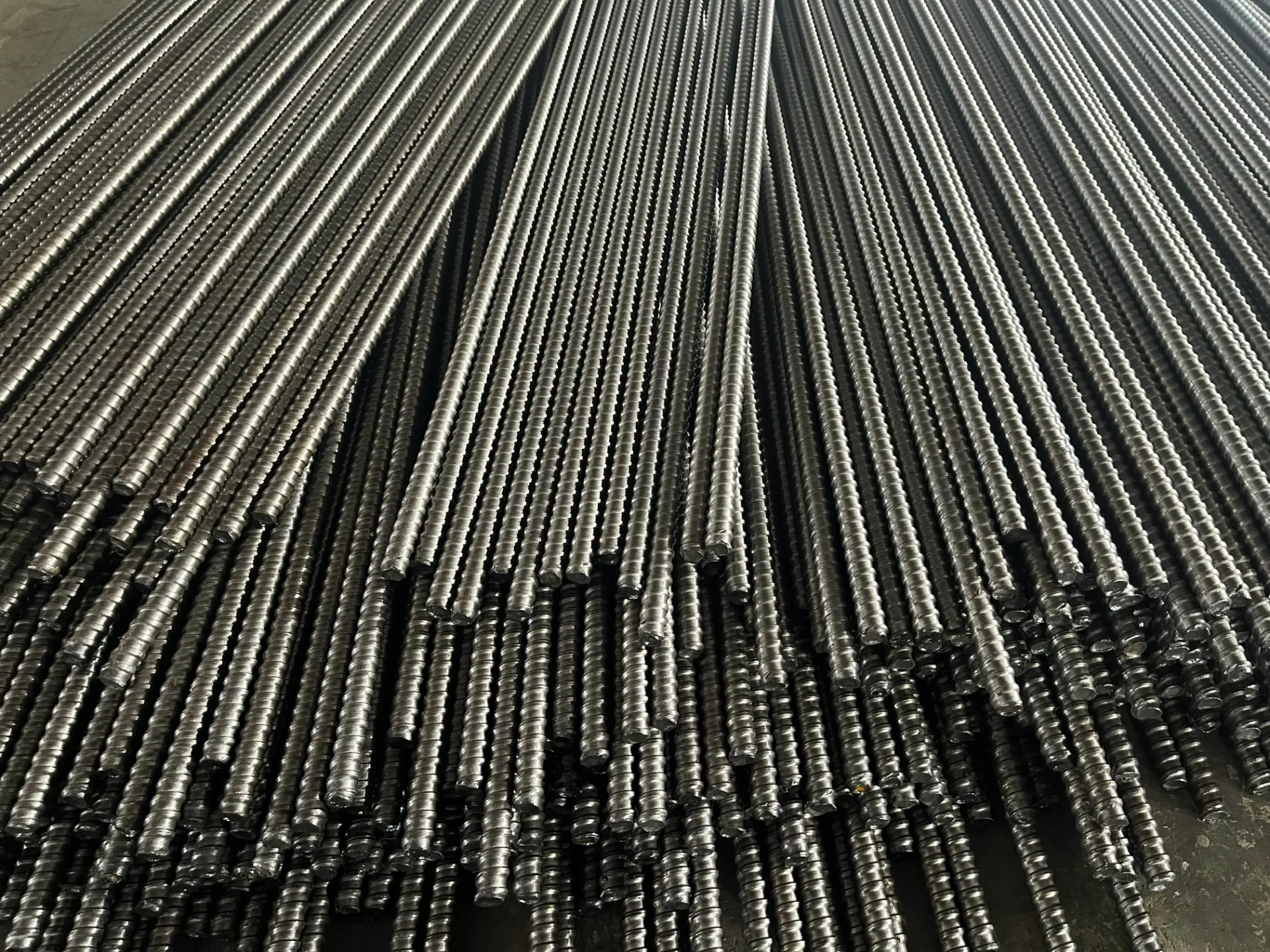
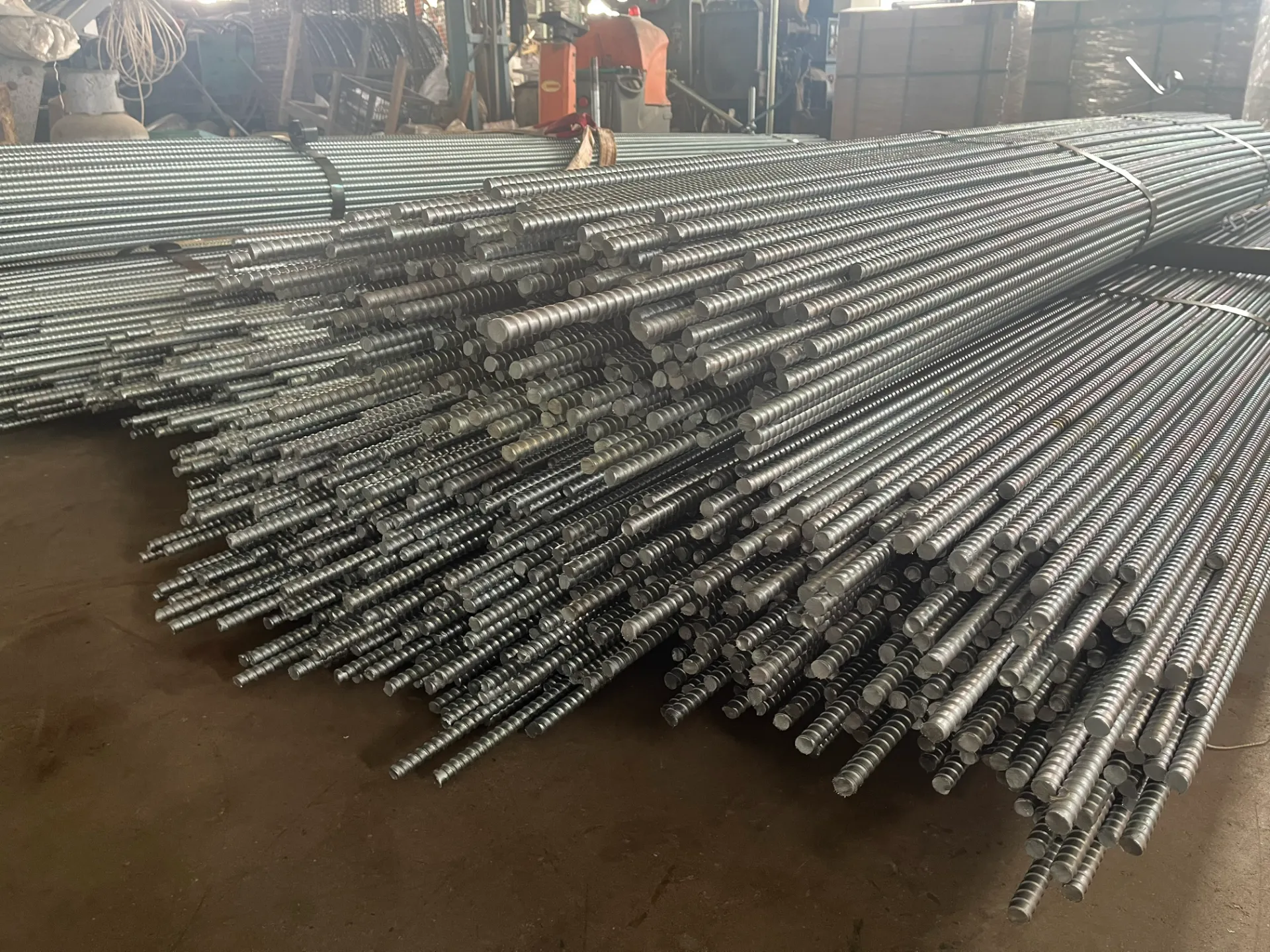
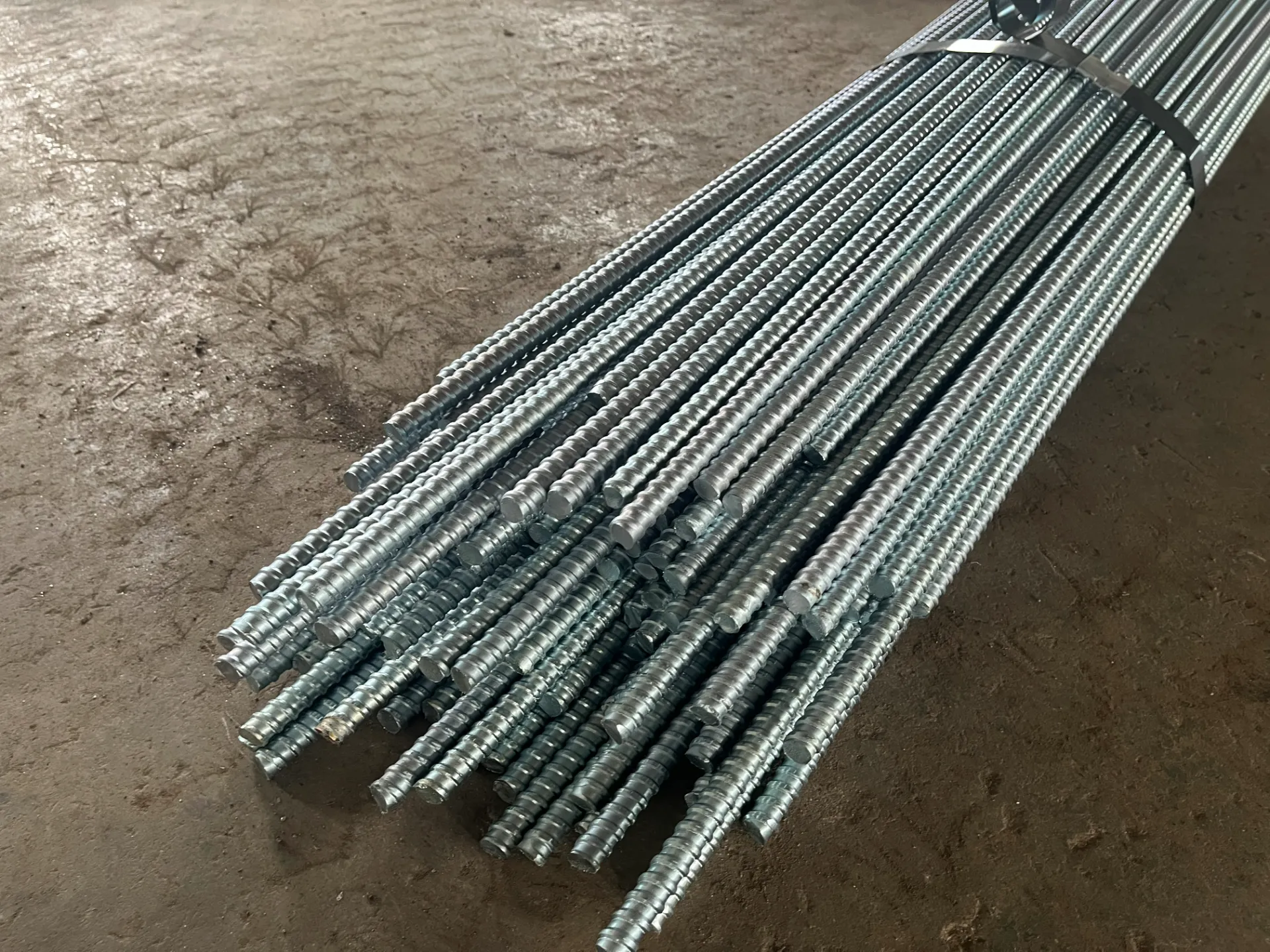
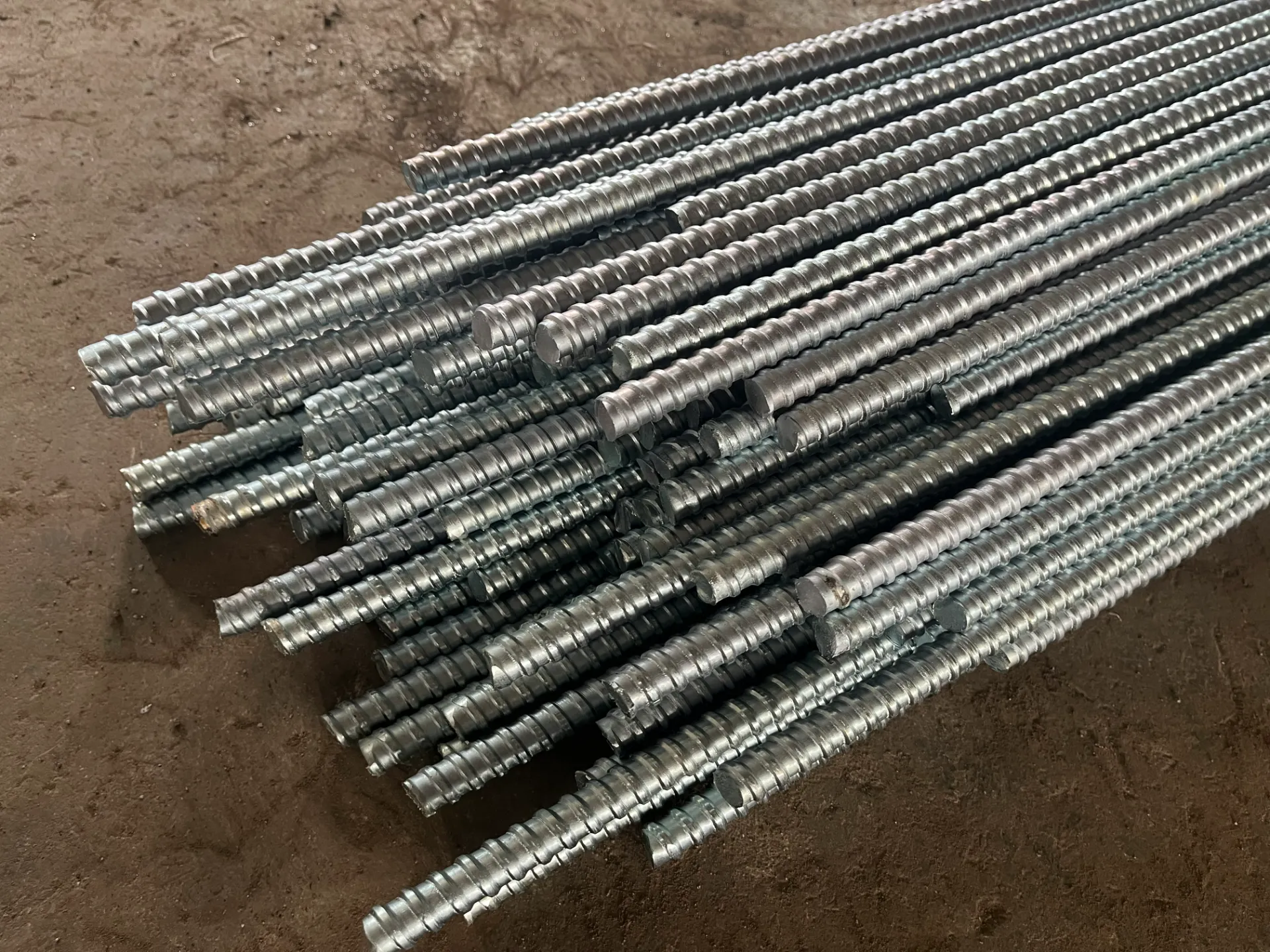
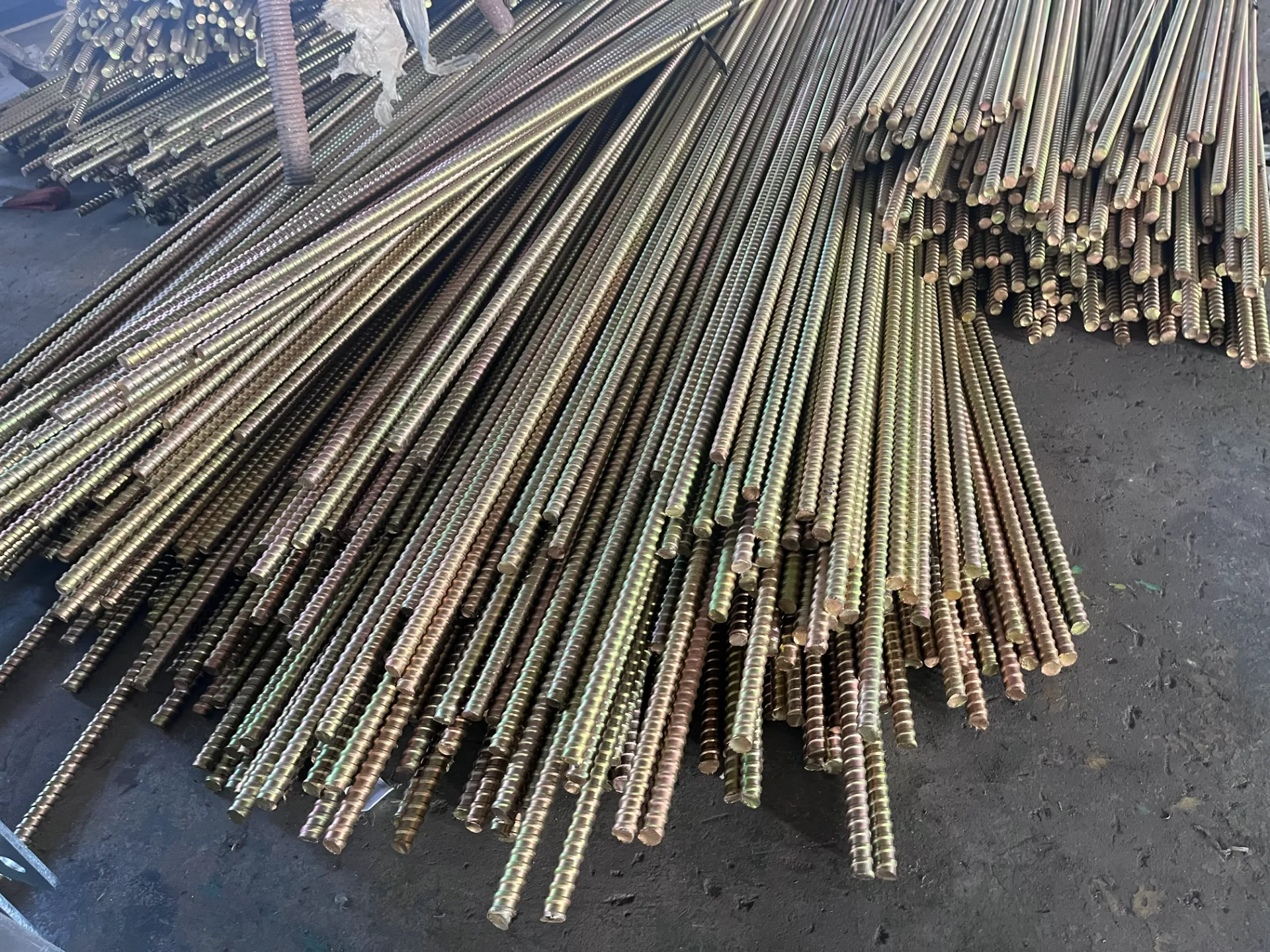
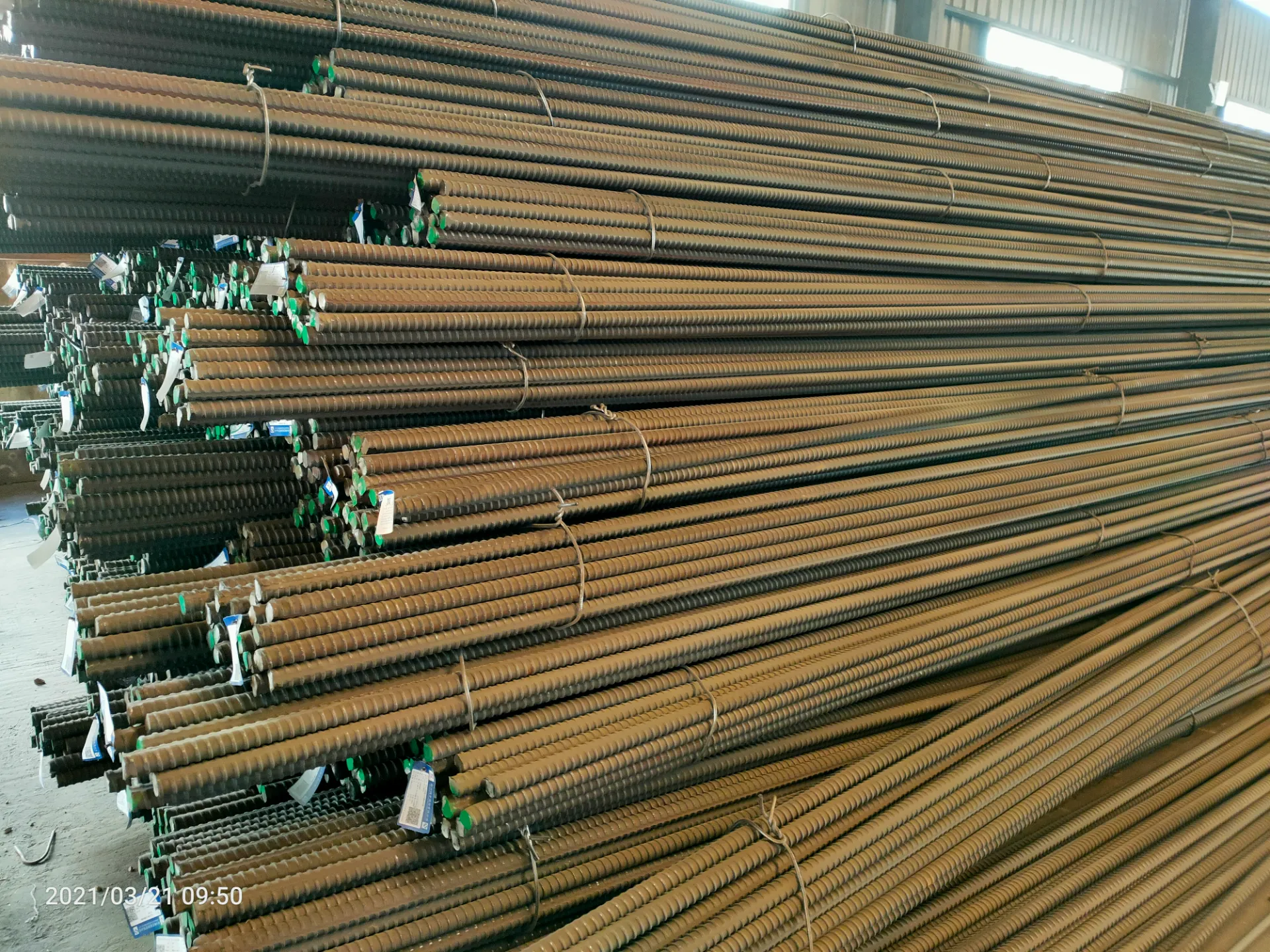
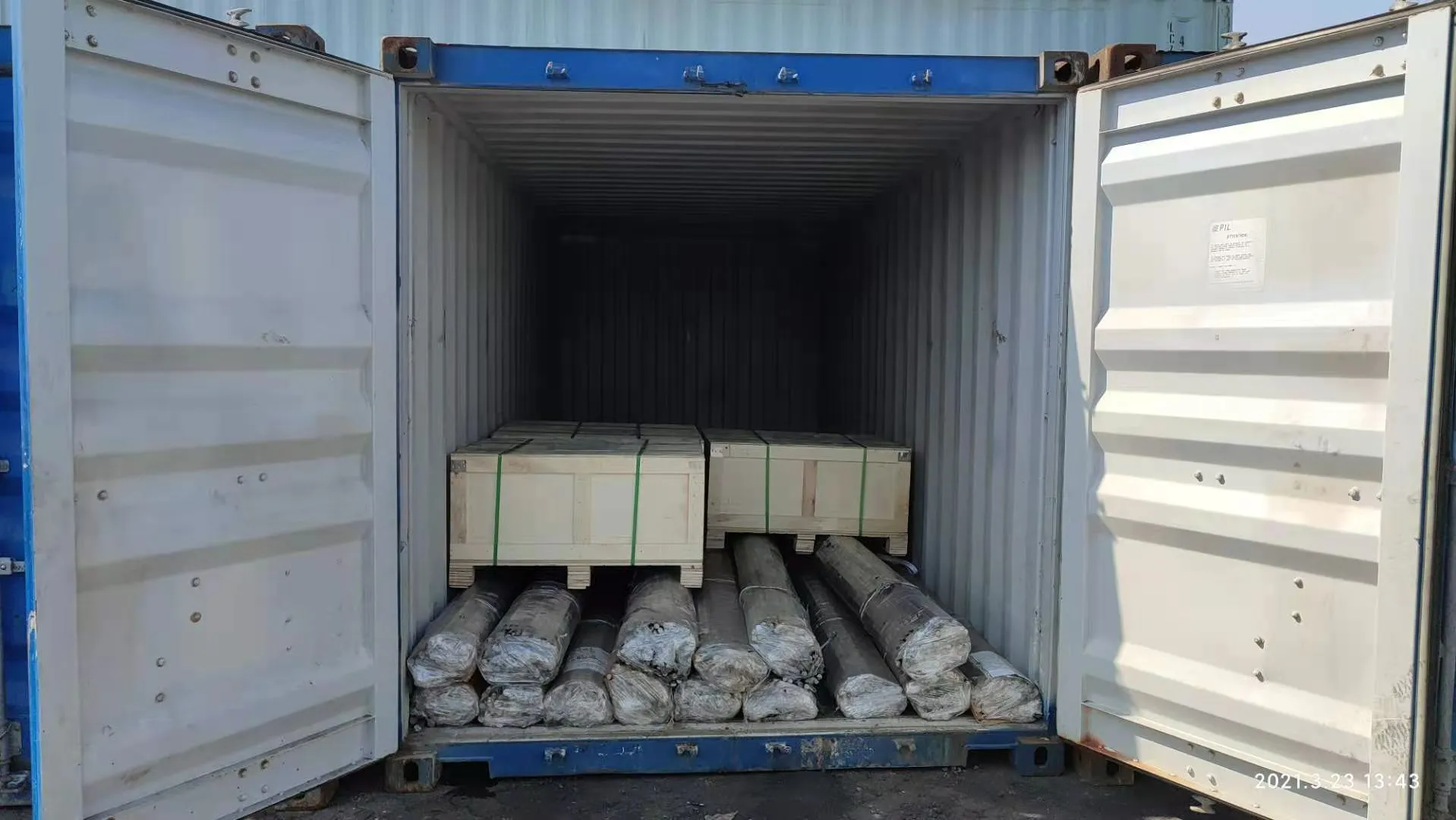
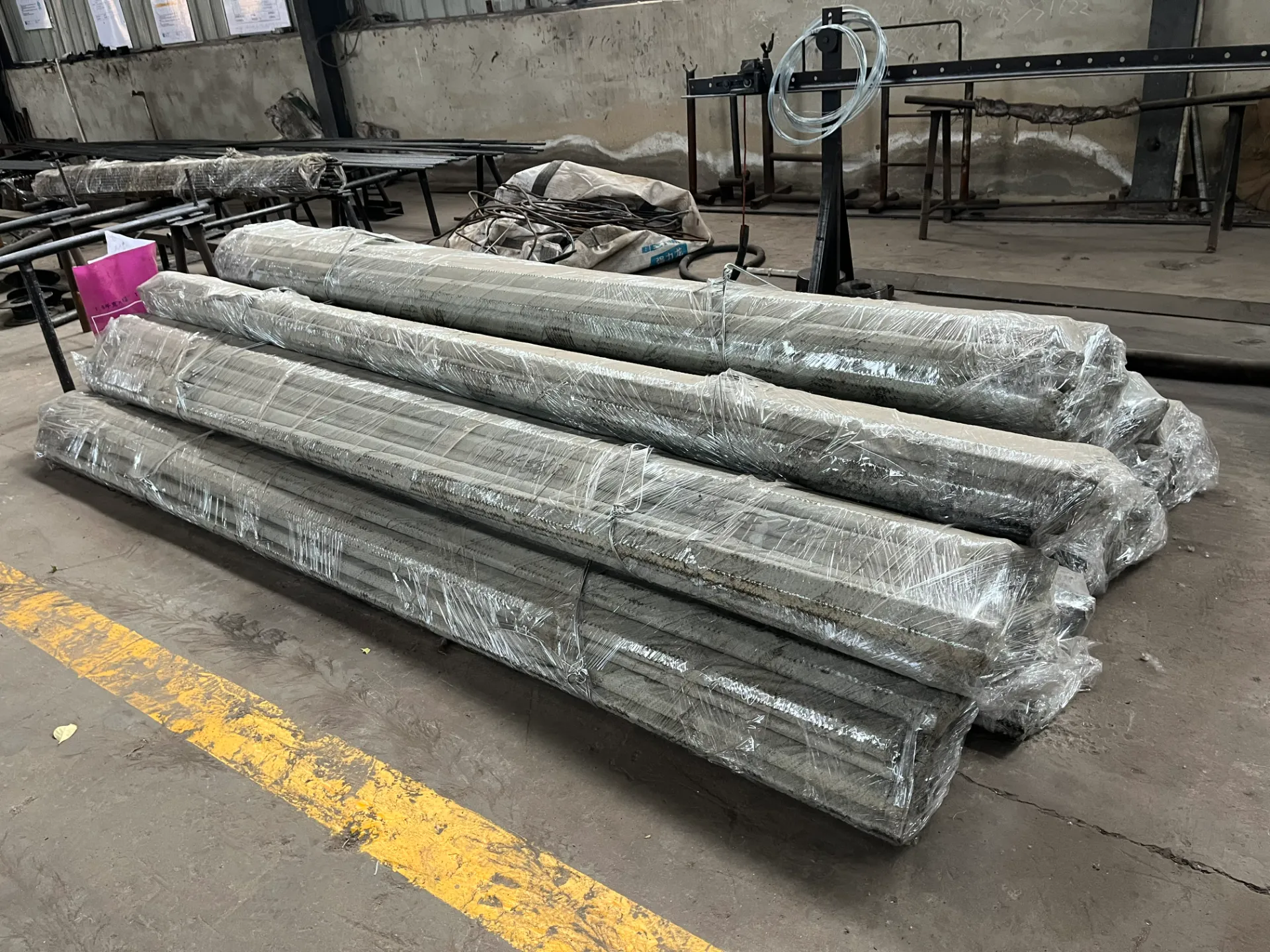
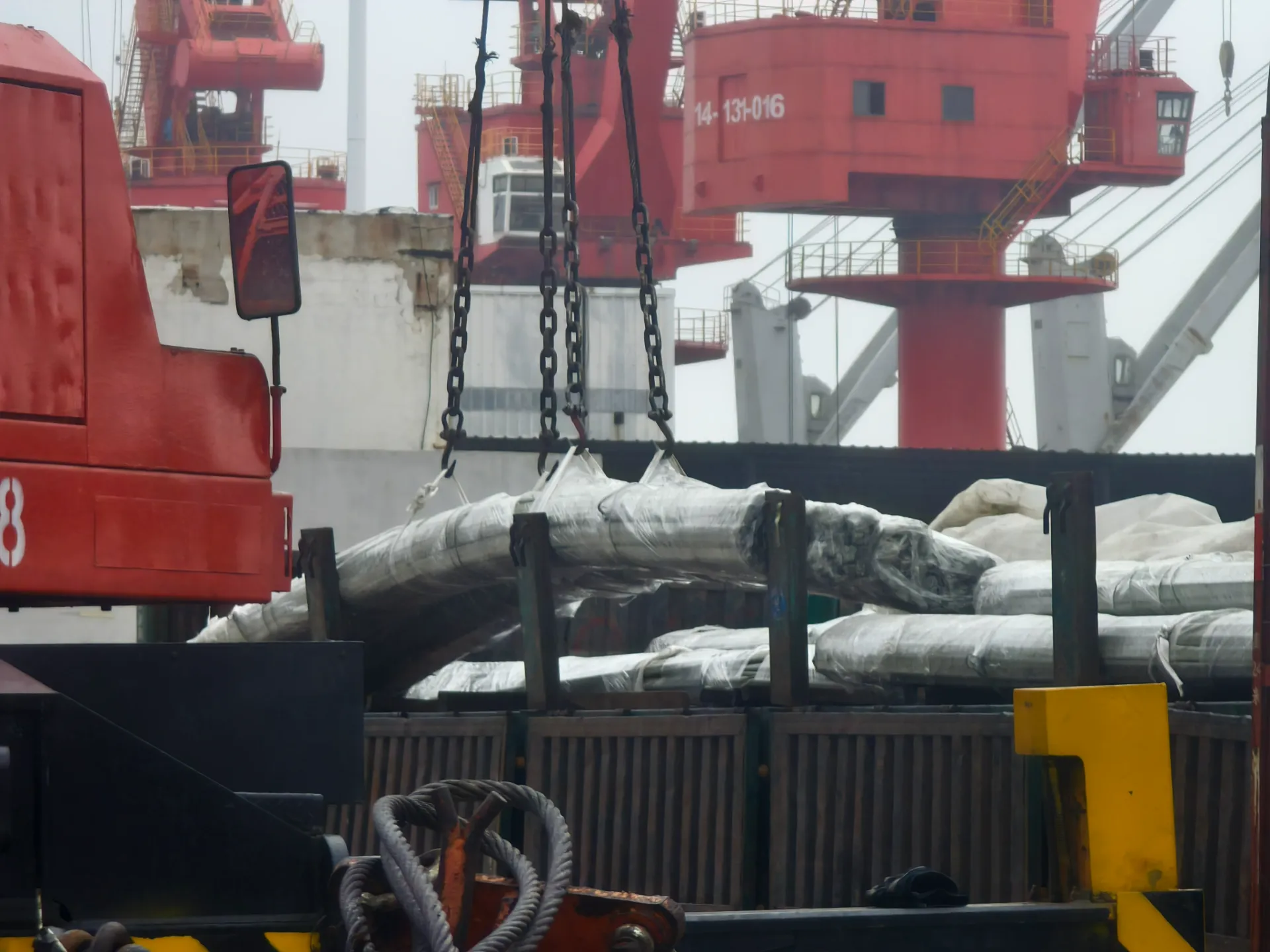
Održavati dokumentaciju koja detaljno opisuje proces proizvodnje, provjere kvaliteta i rezultate ispitivanja, što može biti važno za osiguranje kvaliteta i usklađenost sa standardima izgradnje.
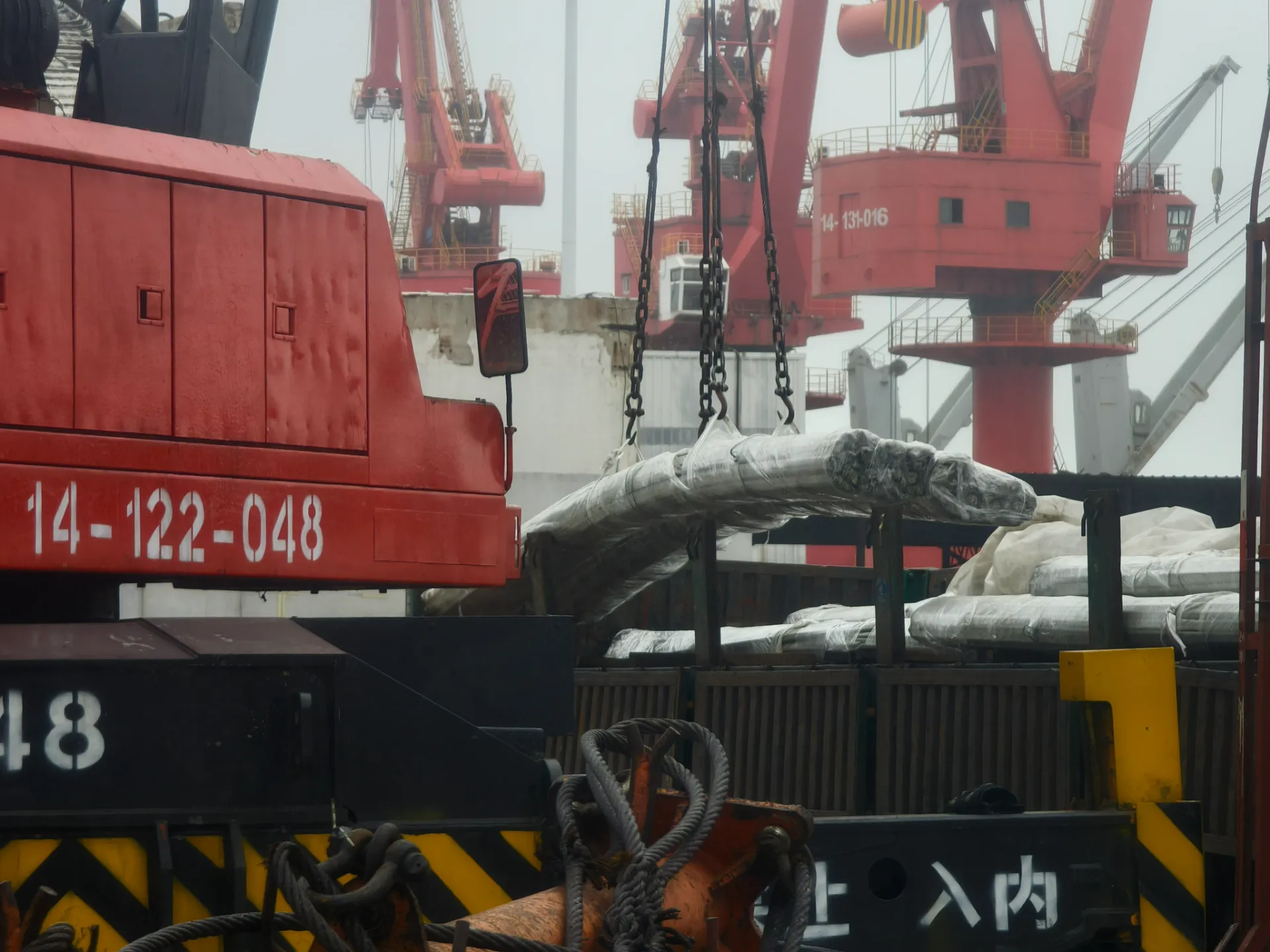
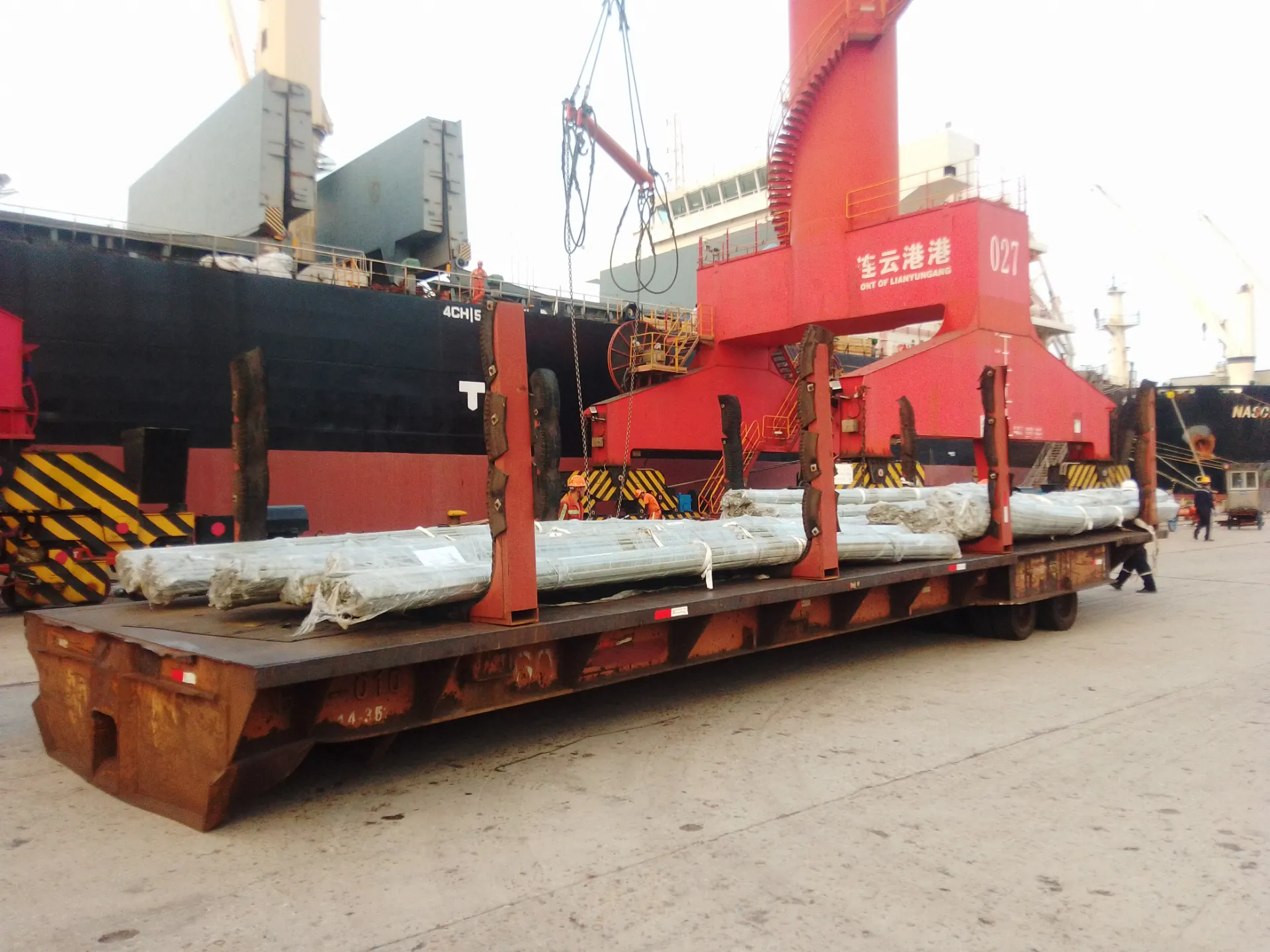
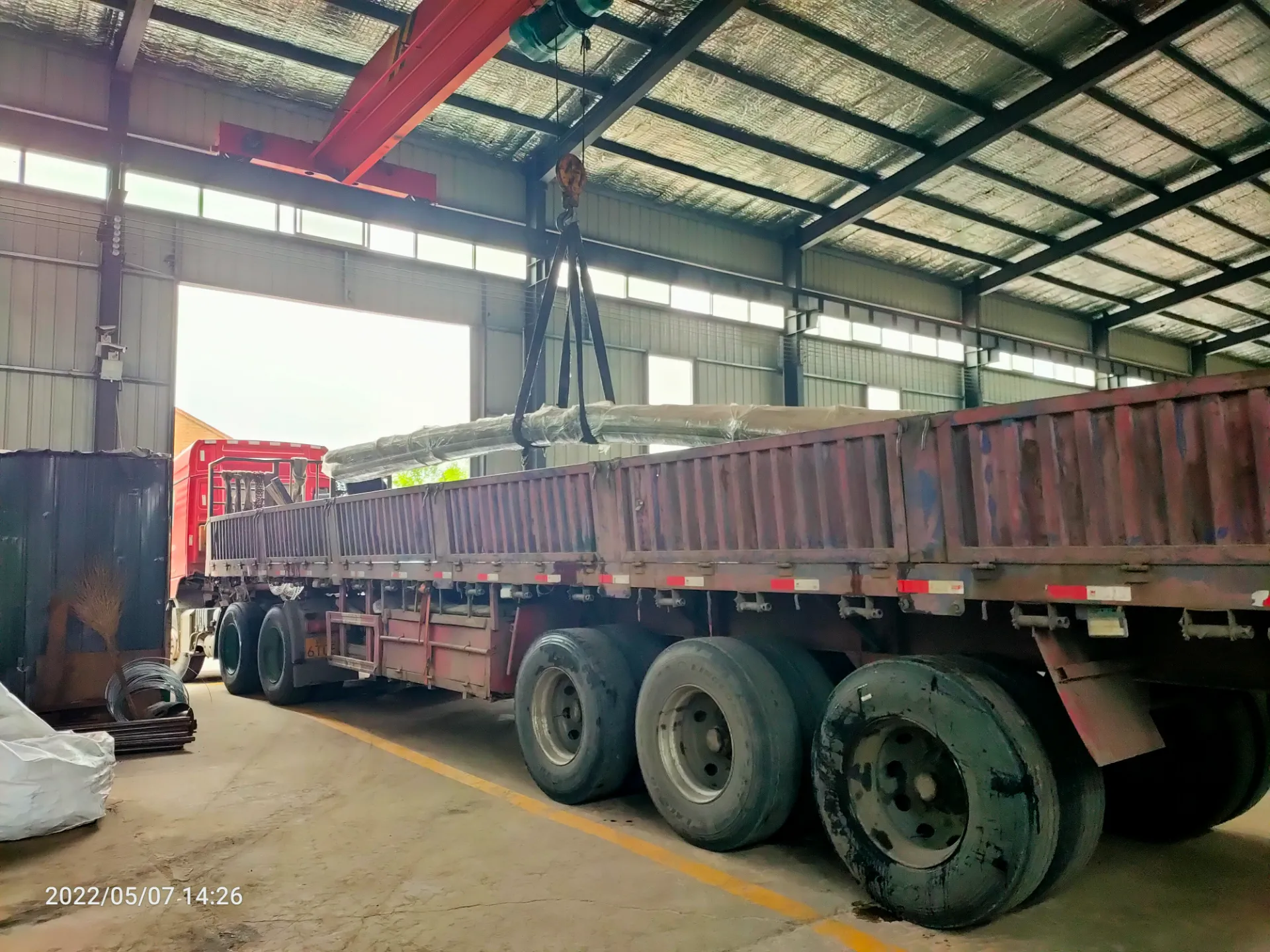
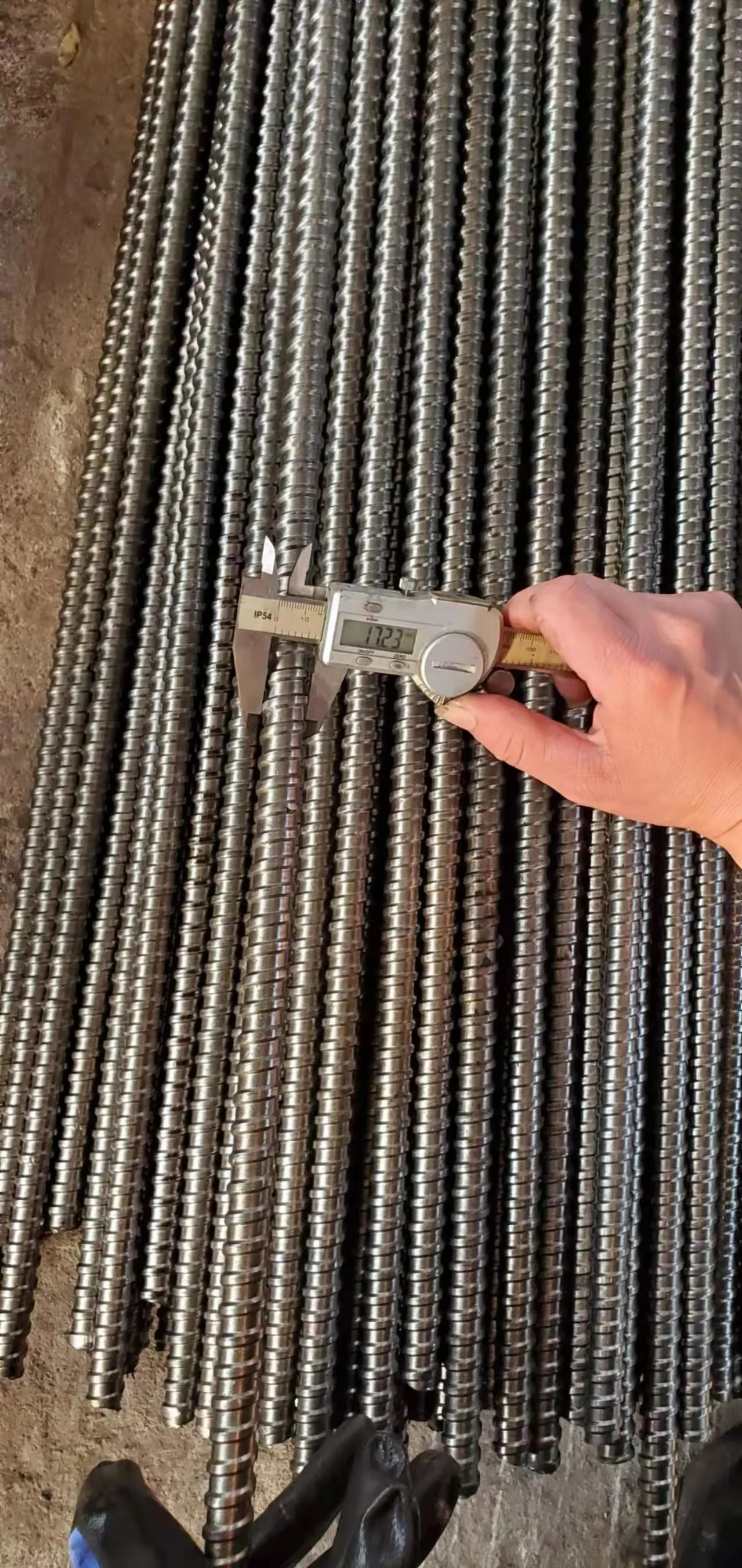
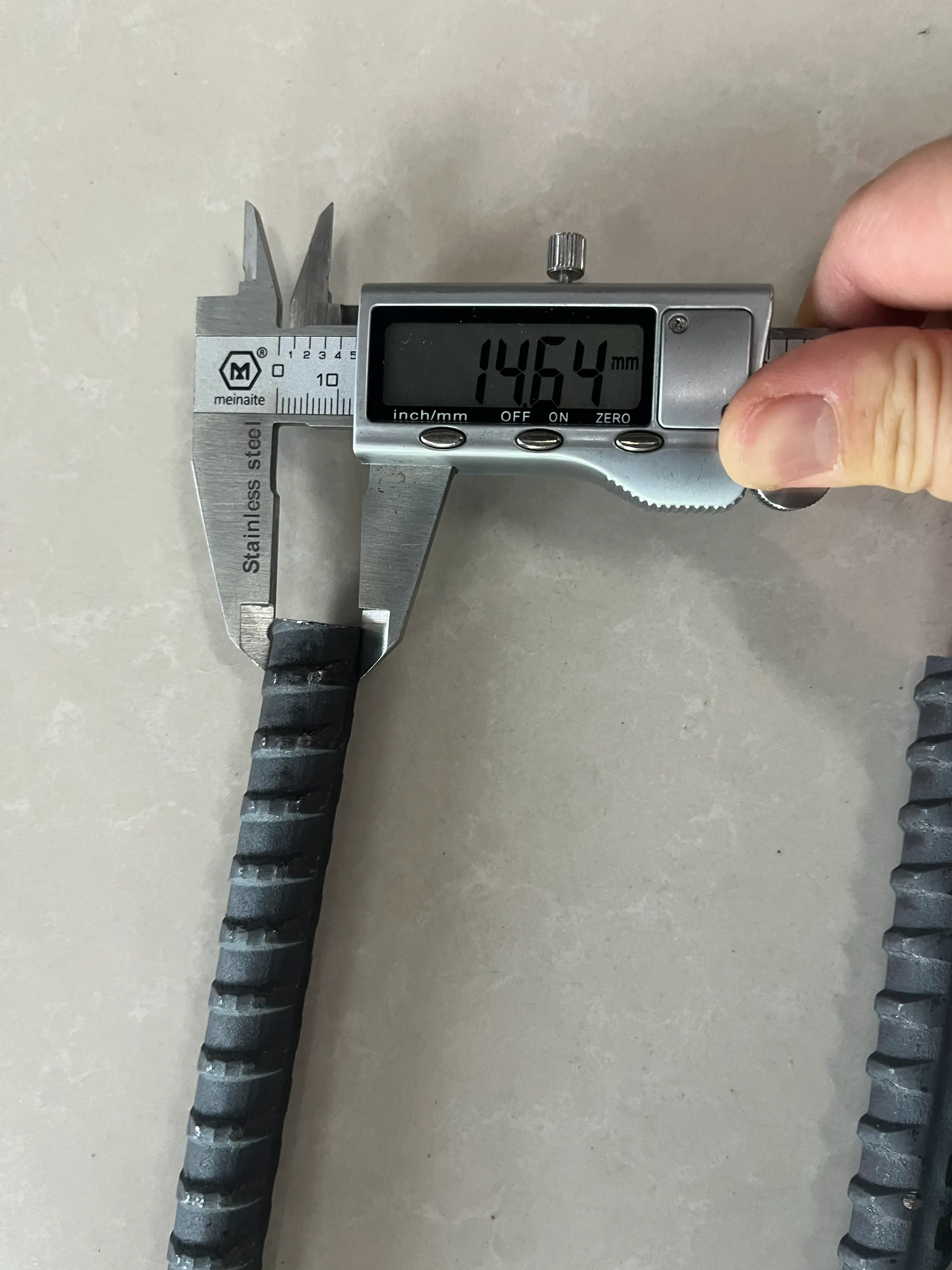
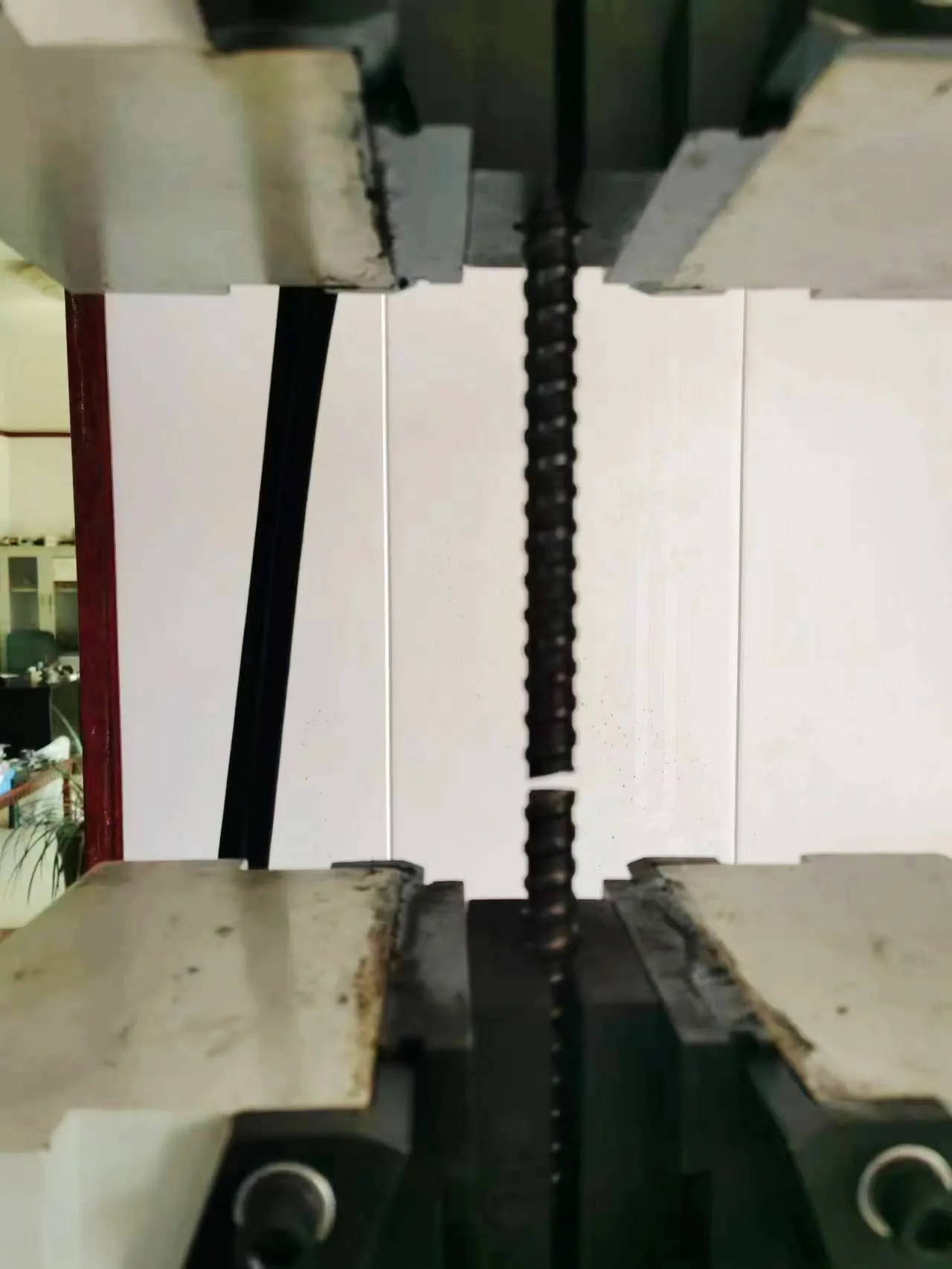
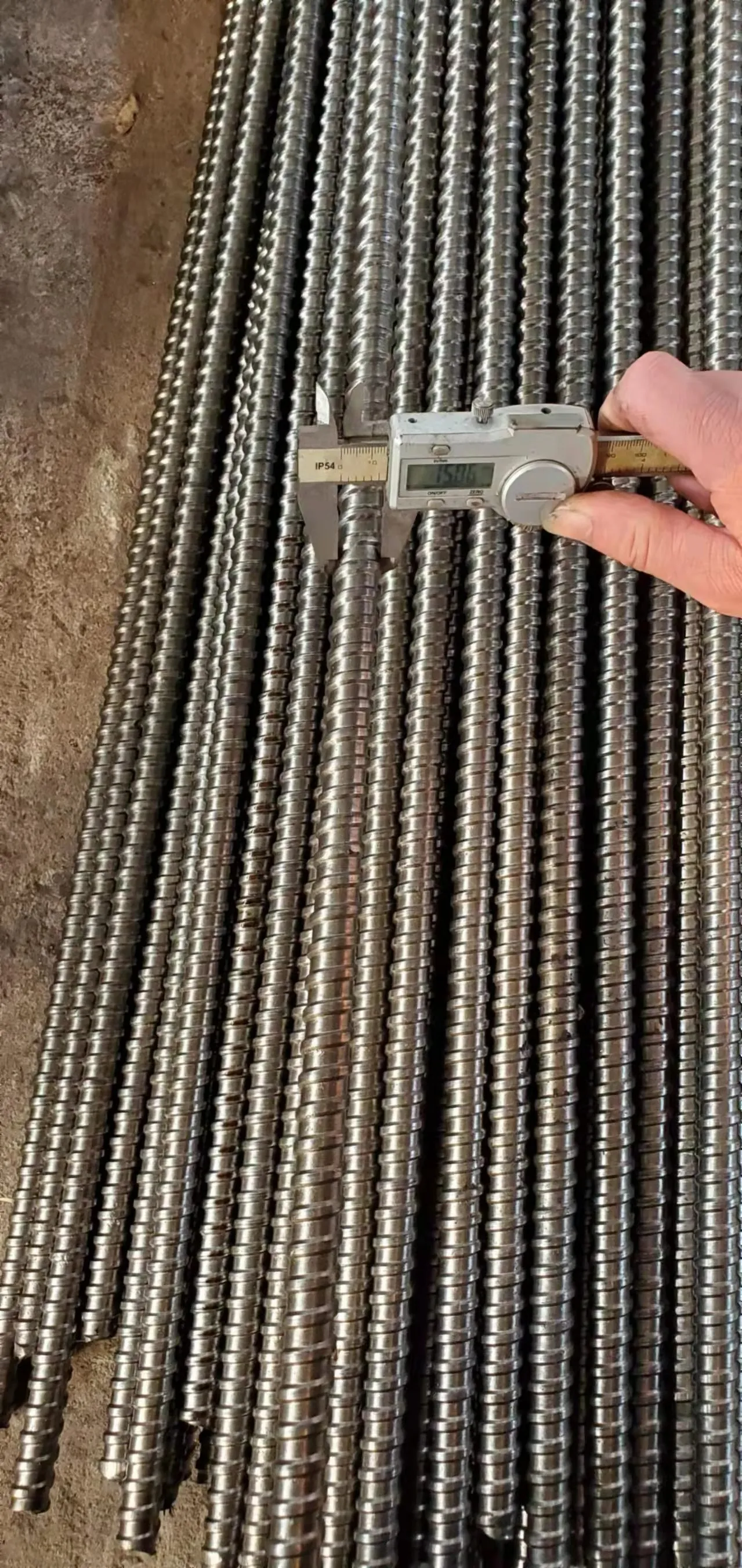
What Are Concrete Tie Rods Used For?
Concrete tie rods are essential components in the construction industry, primarily used to secure and stabilize concrete formwork during the casting process. At Cangzhou World Cup Trading Co., Ltd, we manufacture high-quality tie rods designed for various construction applications, including scaffolding, formwork systems, and reinforced concrete projects.
The main purpose of concrete tie rods is to hold the formwork panels together while concrete is poured and cured. During the pouring process, concrete exerts significant lateral pressure on the formwork. Tie rods counteract this pressure, preventing the panels from bulging, shifting, or collapsing. This ensures that the final concrete structure retains its intended shape, dimensions, and strength.
Concrete tie rods are often used with other concrete accessories, such as rapid clamps, nuts, and washers, which together form a secure system that maintains proper alignment and spacing of the formwork. Their use is particularly critical in large-scale construction projects, such as high-rise buildings, bridges, and industrial facilities, where even minor misalignment can affect structural integrity.
Another function of concrete tie rods is load distribution. By connecting opposite sides of the formwork, tie rods distribute the forces evenly across panels, reducing stress concentrations and the risk of formwork failure. This enhances both the safety and efficiency of construction operations.
At Cangzhou World Cup Trading Co., Ltd, our tie rods are manufactured from high-grade steel to ensure durability, tensile strength, and resistance to bending or breaking under heavy loads. They are also compatible with various concrete formwork systems, providing contractors with flexible and reliable solutions for any project.
In summary, concrete tie rods are used to stabilize formwork, maintain alignment, and ensure structural integrity during the concrete pouring process. Proper use of tie rods improves safety, efficiency, and the quality of the final concrete structure.
What Are Formwork Tie Rods and Why They Are Essential in Construction
Formwork tie rods are specialized fasteners designed to secure concrete formwork during the construction of walls, columns, and slabs. At Cangzhou World Cup Trading Co., Ltd, we produce a wide range of tie rods suitable for both standard and heavy-duty construction applications.
Formwork tie rods serve the critical purpose of holding formwork panels in place while concrete is poured and cures. Concrete exerts lateral pressure on formwork, which can cause panels to shift, bulge, or collapse if not properly restrained. Tie rods connect opposite panels, maintaining spacing and alignment, ensuring that the concrete sets in the correct shape and dimensions.
The essential nature of formwork tie rods is evident in structural safety and project quality. By resisting the pressure of fresh concrete, tie rods prevent misalignment and uneven surfaces, which can compromise both aesthetics and structural integrity. They also reduce the likelihood of formwork failure, protecting workers and minimizing project delays.
Formwork tie rods are used in combination with concrete accessories, such as nuts, washers, and rapid clamps, forming a robust system that enhances the stability and reliability of the formwork. They are versatile, accommodating various wall thicknesses and formwork types, from timber to steel systems.
At Cangzhou World Cup Trading Co., Ltd, our tie rods are manufactured from high-strength steel, ensuring durability and long-term performance. Our technical team supports clients in selecting the appropriate type and size of tie rods based on project specifications, load requirements, and formwork systems.
In conclusion, formwork tie rods are essential in construction because they stabilize formwork, ensure proper alignment, and maintain structural integrity, making them indispensable for high-quality concrete projects.
The Role of Tie Rods in Ensuring Concrete Formwork Stability
Tie rods play a crucial role in maintaining the stability of concrete formwork during construction. At Cangzhou World Cup Trading Co., Ltd, we provide a wide range of tie rods and associated concrete accessories designed to support safe, efficient, and high-quality concrete pouring.
When concrete is poured into formwork, it generates lateral pressure that can push panels outward. Tie rods connect opposite sides of the formwork, resisting this pressure and holding panels firmly in place. This ensures that the concrete sets in the intended shape, with precise dimensions and smooth surfaces, avoiding costly corrections or structural issues.
Tie rods also contribute to load distribution. By transferring forces evenly across the formwork system, they reduce stress concentrations and prevent localized panel deformation or failure. This makes the construction process safer for workers and more reliable in terms of structural performance.
In addition, tie rods improve installation efficiency. When used with nuts, washers, and rapid clamps, they provide a modular system that allows quick assembly, adjustment, and disassembly of formwork. This versatility is particularly important in large-scale or repetitive construction projects, such as high-rise buildings or bridges.
At Cangzhou World Cup Trading Co., Ltd, our tie rods are manufactured from premium steel to withstand high loads, resist bending, and ensure long-term durability. The rods are compatible with various formwork types, including ringlock scaffolding and steel or timber panels, giving contractors flexibility in their choice of formwork system.
In summary, tie rods are essential for ensuring concrete formwork stability by resisting lateral pressure, distributing loads, and supporting precise alignment. Their use enhances safety, efficiency, and the overall quality of concrete construction projects.
anchor nut for tie rod
coil rod formwork
concrete form tie rods
concrete formwork tie bars
formwork tie rod